
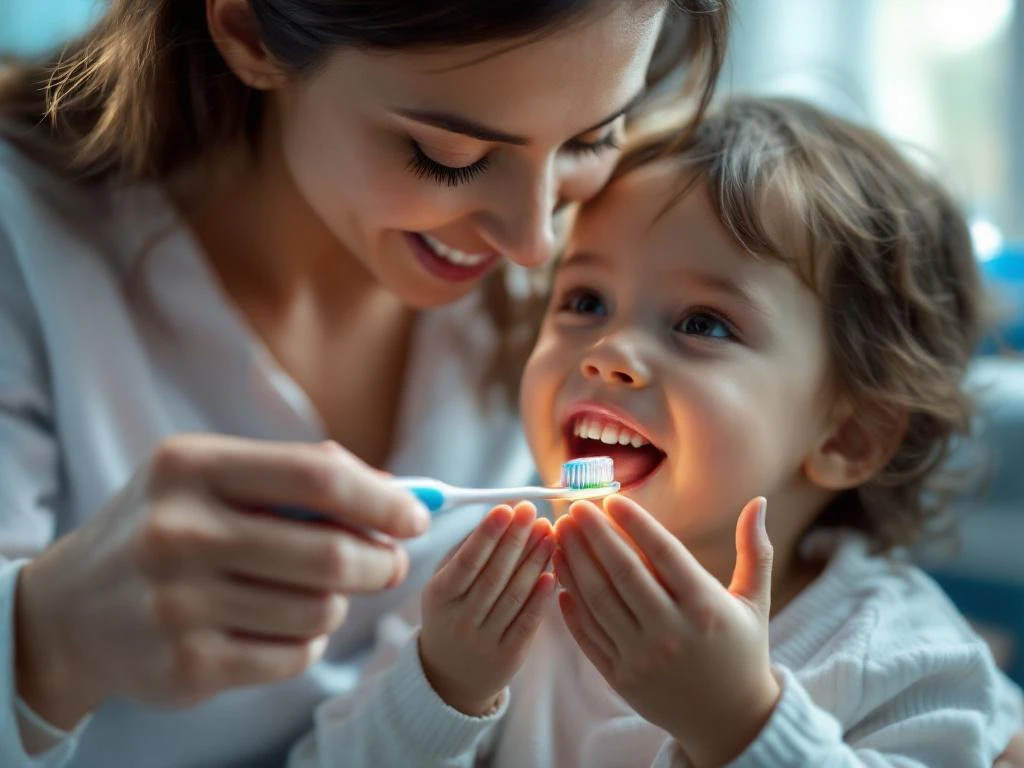
Sticky sweets, sugary drinks, and refined carbohydrates cause the most cavities in children, with fizzy drinks and gummy candies leading the list. These foods feed harmful bacteria in young mouths, creating acid that attacks developing tooth enamel. The combination of high sugar content, sticky texture, and frequent consumption makes these treats particularly damaging to children’s dental health, though proper timing and oral care can help minimise the risks.
Which specific foods cause the most cavities in children?
Sugary drinks like fizzy beverages, fruit juices, and sports drinks top the list of cavity-causing foods for children. These liquids bathe teeth in sugar and create an acidic environment that weakens enamel. Sticky sweets including gummy bears, fruit snacks, and toffees follow closely, as they cling to teeth and provide prolonged feeding opportunities for harmful bacteria.
Refined carbohydrates such as biscuits, crackers, and white bread also contribute significantly to tooth decay. These foods break down into simple sugars in the mouth and often get trapped between teeth. According to dental research, plaque bacteria produce acids that attack tooth enamel after consuming sugar, with the acid production beginning within minutes of eating.
Frequent snacking on these foods throughout the day creates continuous acid attacks on children’s teeth. The bacteria in plaque, particularly Streptococcus mutans, thrive on these sugars and multiply rapidly in young mouths. Children’s developing teeth are more vulnerable to decay because their enamel is still maturing and may be thinner than adult teeth.
Why do sugary drinks damage kids’ teeth more than solid sweets?
Liquid sugars reach every surface of the mouth instantly, coating teeth, gums, and tongue with cavity-causing substances. Unlike solid sweets that primarily affect the chewing surfaces, drinks create a sugar bath that penetrates between teeth and along the gumline where plaque bacteria accumulate most readily.
The drinking pattern makes the problem worse. Children often sip drinks slowly over extended periods, creating repeated acid attacks rather than a single exposure. Each sip triggers fresh acid production by oral bacteria, and the acid can soften tooth enamel for up to an hour after consumption. This prolonged exposure time gives bacteria more opportunity to damage teeth.
Drinks also bypass the mouth’s natural cleaning mechanisms. Solid foods stimulate saliva production and require chewing, which helps remove food particles and neutralise acids. Liquids flow quickly past teeth without triggering these protective responses, leaving sugar residue behind with minimal natural cleaning action.
What makes sticky and chewy foods so dangerous for children’s dental health?
Sticky foods cling to tooth surfaces and lodge in the grooves and crevices where toothbrush bristles struggle to reach. Gummy sweets, dried fruits, and chewy snacks can remain attached to teeth for hours, providing a sustained food source for harmful bacteria long after eating finishes.
The texture prevents natural saliva clearance, which normally helps wash away food particles and neutralise acids. Saliva acts as the mouth’s natural rinsing agent, but sticky substances resist this cleaning action. This extended contact time allows plaque bacteria to feast continuously and produce acids that gradually weaken tooth enamel.
Children’s eating habits compound the problem. Young ones often eat sticky treats slowly, savour them in their mouths, or store pieces in their cheeks. This behaviour maximises contact time between sugar and teeth, creating ideal conditions for cavity formation. The combination of prolonged exposure and resistant texture makes sticky foods particularly problematic for developing teeth.
How can parents protect their kids’ teeth while still allowing treats?
Timing treats strategically reduces their harmful impact on children’s teeth. Serve sweets immediately after meals when saliva production is naturally higher, helping to neutralise acids more effectively. Avoid giving sugary snacks between meals or before bedtime when the mouth’s natural defences are weakest.
Establish a consistent oral hygiene routine that includes brushing twice daily with fluoride toothpaste and daily flossing. Regular brushing helps remove plaque bacteria and food debris before they can cause significant damage. However, wait at least an hour after consuming acidic foods or drinks before brushing, as immediate brushing can damage softened enamel.
Choose tooth-friendly alternatives when possible. Fresh fruits, cheese, nuts, and vegetables make healthier snack options that don’t feed harmful bacteria. Water should be the primary drink between meals, helping to rinse away food particles and maintain proper mouth pH.
Consider innovative preventive technologies like Lumoral Junior, which uses gentle light-activated therapy to target plaque bacteria whilst supporting gum health. This CE-marked technology offers families an additional layer of protection against cavity-causing bacteria, complementing traditional brushing and flossing routines.
Regular dental check-ups remain essential for monitoring children’s oral health and catching problems early. Professional cleanings remove tartar buildup that home care cannot eliminate, whilst fluoride treatments can strengthen developing enamel. Understanding the science behind cavity prevention helps parents make informed decisions about their children’s oral care routine and overall health protection.

