
The subject may sound off, we know, but it’s one of the most searched questions, within this subject category on Google: so we’re here to give you a clear answer.
You cannot actually “kill” a cavity once it has fully formed in your tooth, but you can stop cavity-causing bacteria and prevent further damage. Early-stage demineralisation can be reversed through remineralisation, whilst established cavities require professional treatment. This guide covers what causes cavities, traditional treatments, and breakthrough light therapy technology.
What exactly are cavities and what causes them to form?
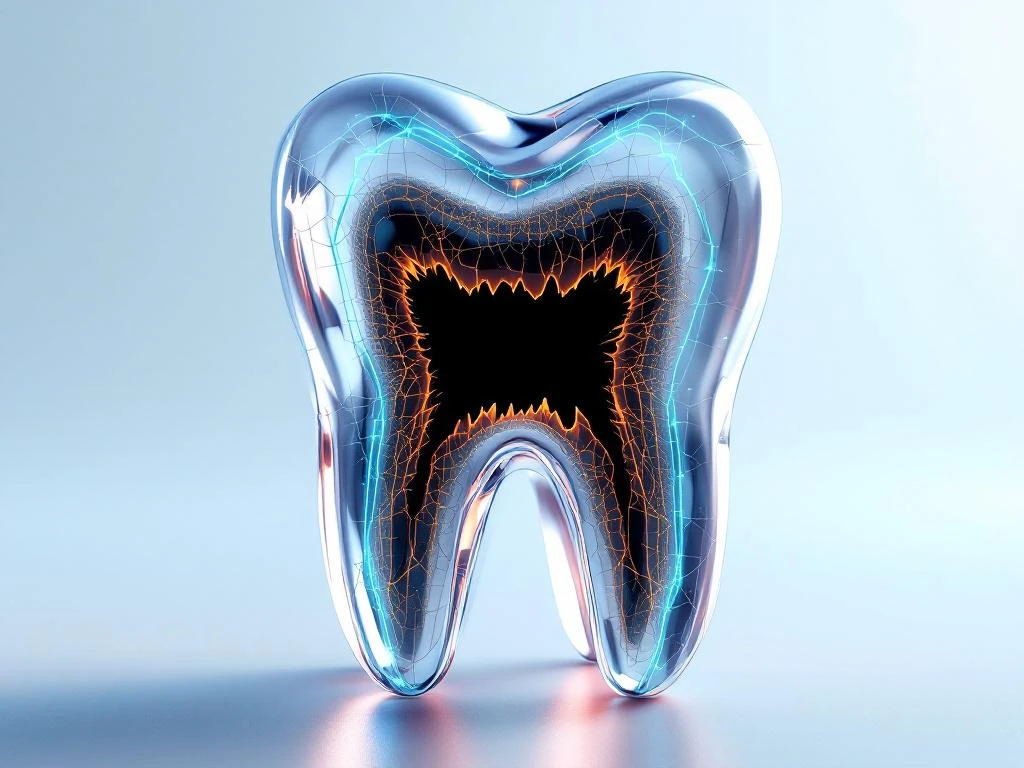
Cavities are permanently damaged areas in your teeth that develop into tiny holes through a process called tooth decay. Plaque bacteria create acids that attack tooth enamel after you consume sugar or starchy foods. This acid breaks down the hard outer coating of your teeth over time, progressing from initial demineralisation to cavity formation.
The process begins when plaque – a sticky white film containing bacteria – accumulates on your teeth. After eating meals or snacks containing sugar, these bacteria produce acids that soften and erode tooth enamel. Without proper removal, plaque hardens into tartar, making teeth harder to clean and creating an environment where harmful bacteria thrive.
Understanding how to prevent cavities in kids naturally starts with recognising that oral environment factors like saliva production, dietary habits, and bacterial balance all influence cavity formation. The longer plaque remains on teeth, the more damage it causes to both enamel and surrounding gum tissue.
Can you actually kill a cavity once it has already formed?
You cannot reverse or “kill” an established cavity, but early-stage tooth demineralisation can be stopped and potentially reversed through remineralisation therapy. Once a cavity has formed a hole in your tooth, only professional dental treatment can restore the damaged area through fillings or other restorative procedures.
The key distinction lies between early demineralisation and established cavity formation. During the initial stages, when enamel begins to weaken but hasn’t yet formed a hole, fluoride treatments and proper oral care can help remineralise the tooth surface. However, once bacteria have created an actual cavity, the tooth structure cannot naturally repair itself.
What you can effectively target is the bacterial cause of cavity formation. By eliminating the harmful bacteria that produce cavity-causing acids, you can prevent existing cavities from worsening and stop new ones from developing.
What traditional treatments can stop or slow cavity progression?
Traditional cavity treatments include fluoride applications, professional dental cleanings, remineralisation therapy, and dental fillings for established cavities. Fluoride toothpaste helps strengthen enamel and can reverse early-stage demineralisation when used twice daily for at least two minutes each brushing session.
Professional treatments involve scaling and root planing to remove tartar and bacteria from tooth surfaces and below the gumline. Dentists may also apply topical fluoride treatments or recommend antimicrobial mouth rinses to control bacterial growth. For established cavities, fillings restore the damaged tooth structure and prevent further decay.
Preventive measures focus on mechanical plaque removal through brushing and flossing, dietary modifications to reduce sugar consumption, and regular dental checkups every six to twelve months. However, these conventional approaches primarily address plaque after it forms rather than targeting the root bacterial cause.
Why aren’t traditional methods enough to prevent cavities and gum disease?
Traditional oral care methods aren’t sufficient because cavities and gum disease affect almost everyone – nearly half the world’s population suffers from oral health problems according to WHO reports. Even after thorough brushing, significant amounts of plaque bacteria remain on teeth, particularly along the gumline where cavities commonly develop.
The concerning reality is that oral bacteria are increasingly linked to serious systemic diseases including cardiovascular disease, diabetes, stroke, and even Alzheimer’s disease. Poor oral health doubles stroke risk in people under 50 and contributes to heart disease through bacterial entry into the bloodstream via inflamed gums.
Conventional treatments like broad-spectrum antiseptic mouthwashes disrupt beneficial oral microflora along with harmful bacteria, potentially creating imbalances. Most adults develop tartar despite regular brushing, and the bacterial dysbiosis caused by dental plaque contributes to health issues ranging from digestive problems to memory disorders.
How does breakthrough light therapy technology target cavity-causing bacteria?
Revolutionary light therapy technology developed by Dr. Tommi Pätilä and entrepreneur Sakari Nikinmaa in Finland offers a targeted approach to eliminating cavity-causing bacteria. The Lumoral system uses dual-light technology combining 405nm blue light with photodynamic therapy to selectively target plaque bacteria without disrupting beneficial oral microflora.
This innovative approach activates a light-sensitive dye that binds specifically to plaque bacteria, creating localised antibacterial effects with microscopic precision. Unlike traditional antiseptics, this CE-marked technology preserves healthy oral bacteria whilst effectively reducing harmful plaque accumulation that leads to cavities and gum disease.
Clinical studies demonstrate that this light-activated treatment significantly reduces bacterial load, prevents tartar buildup, and improves gum health when used as part of regular oral care. The Lumoral system represents a breakthrough in preventive oral care, addressing the root bacterial cause of cavities whilst supporting overall oral health balance.
Learning how to prevent cavities in kids naturally now includes this advanced technology that makes professional-level bacterial control possible at home. By targeting the bacterial source of tooth decay, families can achieve better oral health outcomes and support their overall wellbeing through improved oral bacteria balance. Best yet, its easy. Kids can rinse and then just sit and chill or play, while treatment is being done.

