
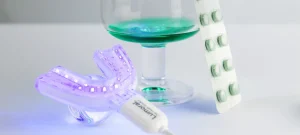
For families looking to enhance their cavity prevention routine, innovative health tech solutions like the Lumoral Starter Kit use light-activated technology to target plaque bacteria with microscopic precision.
The number one cause of cavities is plaque bacteria feeding on sugar and producing acid that erodes tooth enamel. This sticky film of bacteria forms naturally on teeth and thrives when starches and sugars from food interact with the bacteria commonly found in your mouth. Understanding how to prevent cavities in kids naturally starts with managing this bacterial activity through proper oral hygiene and targeted plaque removal techniques.
What is the number one cause of cavities in your mouth?
Plaque bacteria feeding on sugar and producing acid that attacks tooth enamel is the primary cause of cavities. Plaque is a sticky, white film that forms continuously on teeth, containing harmful bacteria that multiply when exposed to sugars and starches from food and drinks.
Plaque bacteria are microscopic organisms that naturally exist in your mouth but become problematic when they accumulate and form biofilms on tooth surfaces. These bacteria thrive in warm, moist environments and feed on the sugars and starches you consume throughout the day. When plaque remains on teeth, it hardens into tartar within 24-72 hours, creating a rough surface that makes it even easier for more bacteria to attach and multiply.
The bacteria in plaque produce acids as waste products when they digest sugars. These acids directly attack the hard outer coating of your teeth called enamel. Over time, repeated acid attacks weaken and break down the enamel, creating tiny holes that eventually develop into cavities. This process happens most rapidly in areas where plaque accumulates easily, such as between teeth, along the gum line, and in the grooves of back teeth.
How does sugar actually create cavities in your teeth?
Sugar feeds acid-producing bacteria in plaque, which then release acids that dissolve tooth enamel through a process called demineralisation. The frequency and timing of sugar exposure matter more than the total amount consumed, as bacteria produce acid for up to 20 minutes after each sugar exposure.
When you eat or drink something containing sugar or starch, the bacteria in plaque immediately begin metabolising these carbohydrates. Within minutes, they start producing lactic acid and other organic acids that lower the pH in your mouth to dangerous levels. This acidic environment begins dissolving the mineral crystals that make up tooth enamel, weakening the tooth structure.
The demineralisation process occurs every time your mouth becomes acidic after eating. If you consume sugary snacks or drinks frequently throughout the day, your teeth remain under constant acid attack with little time for recovery. Your saliva naturally helps neutralise acids and remineralise teeth, but it needs time between exposures to do this effectively. This is why sipping sugary drinks slowly or eating sweets throughout the day causes more damage than consuming them all at once.
Some people are more susceptible to cavities due to factors like reduced saliva production, deeper tooth grooves, or genetic variations in enamel strength. Children are particularly vulnerable because their tooth enamel is still developing and may be softer than adult enamel.
Why aren’t brushing and flossing enough to prevent all cavities?
Traditional brushing and flossing cannot reach all plaque bacteria, especially those embedded in biofilms or hiding in microscopic crevices. Even after thorough cleaning, some bacteria survive in hard-to-reach areas and quickly multiply to reform plaque within hours.
Plaque bacteria form complex biofilms that act like protective shields, making them resistant to mechanical removal through brushing alone. These biofilms can be up to 1,000 times more resistant to antimicrobial agents than individual bacteria. Additionally, the spaces between teeth, deep grooves in molars, and areas along the gum line provide protected environments where bacteria can thrive despite regular cleaning efforts.
Research shows that even after thorough brushing, significant amounts of plaque remain on teeth, particularly in areas that are difficult to reach with a toothbrush. Near-infrared light reveals that teeth may appear clean to the naked eye but still harbour substantial bacterial deposits. This is why additional targeted approaches may be beneficial for complete plaque bacteria management.
For families looking to enhance their cavity prevention routine, innovative solutions like the Lumoral Starter Kit use light-activated technology to target plaque bacteria with microscopic precision. This Finnish oral health innovation helps address the limitations of traditional cleaning methods by reaching bacteria that brushing and flossing might miss, providing an additional layer of protection for maintaining healthy teeth and gums in both children and adults.

