
As a parent, spotting the early warning signs of cavities in your child can help prevent minor dental issues from becoming painful, costly problems. Cavities don’t appear overnight, and recognizing subtle changes in your child’s teeth and oral health allows you to take action before decay progresses to more serious stages.
Understanding what to look for empowers you to protect your family’s oral health proactively. From visual changes on tooth surfaces to behavioral signs your child may display, early cavity detection—combined with proper prevention strategies—can keep those precious smiles healthy and bright.
What Are the First Warning Signs of a Cavity?
The earliest signs of cavity development include white or chalky spots on teeth, increased tooth sensitivity to hot or cold foods, and mild tooth pain when chewing. These initial symptoms can appear before visible holes form, making early detection crucial to preventing further decay.
White spots on tooth enamel represent the very first stage of cavity formation, known as demineralization. When bacteria in dental plaque produce acids after consuming sugars and starches from food, these acids begin to weaken the tooth’s protective enamel coating. The white, chalky appearance indicates that minerals are being lost from the tooth surface, but the structure remains intact.
Sensitivity often follows as the enamel becomes more porous. Your child might complain that cold drinks, ice cream, or even breathing in cold air causes discomfort. This sensitivity occurs because weakened enamel allows temperature changes to reach the tooth’s inner layers more easily.
Bad breath that persists despite regular brushing can also signal early cavity development. The bacteria responsible for tooth decay produce sulfur compounds that create unpleasant odors. If your child’s breath doesn’t improve with proper oral hygiene, it may indicate bacterial overgrowth associated with developing cavities.
How Do Cavity Symptoms Differ Between Children and Adults?
Children often experience more rapid cavity progression and may show behavioral changes, such as avoiding certain foods or chewing on one side of their mouth, while adults typically notice gradual sensitivity and visual changes first. Children’s thinner enamel makes them more susceptible to rapid decay.
Young children may not articulate tooth pain clearly, instead showing signs through their behavior. They might refuse favorite foods—especially sweets or cold items—or consistently chew on one side of their mouth. Some children become irritable during meals or show reluctance to brush their teeth if the area is tender.
Adult cavity symptoms tend to develop more gradually due to thicker, more mature enamel. Adults are typically better at identifying and describing specific sensations, such as sharp pain when biting down or lingering sensitivity after consuming hot or cold beverages. Adults may also notice visual changes more readily, such as dark spots or rough areas on teeth.
The location of cavities also differs between age groups. Children commonly develop cavities on the chewing surfaces of back teeth, where food particles can easily get trapped in the grooves. Adults more frequently experience cavities along the gum line or between teeth—areas where plaque accumulation increases with age and where cleaning becomes more challenging.
What Does a Cavity Look Like in Its Early Stages?
Early-stage cavities appear as white, brown, or dark spots on tooth surfaces, often accompanied by rough or sticky areas when you run your tongue across them. Unlike stains, these spots feel different in texture and may appear slightly sunken or pitted.
The progression of cavity appearance follows a predictable pattern. Initially, you might notice white or chalky areas that look different from the surrounding healthy enamel. These spots often appear along the gum line or in the grooves of back teeth, where plaque tends to accumulate.
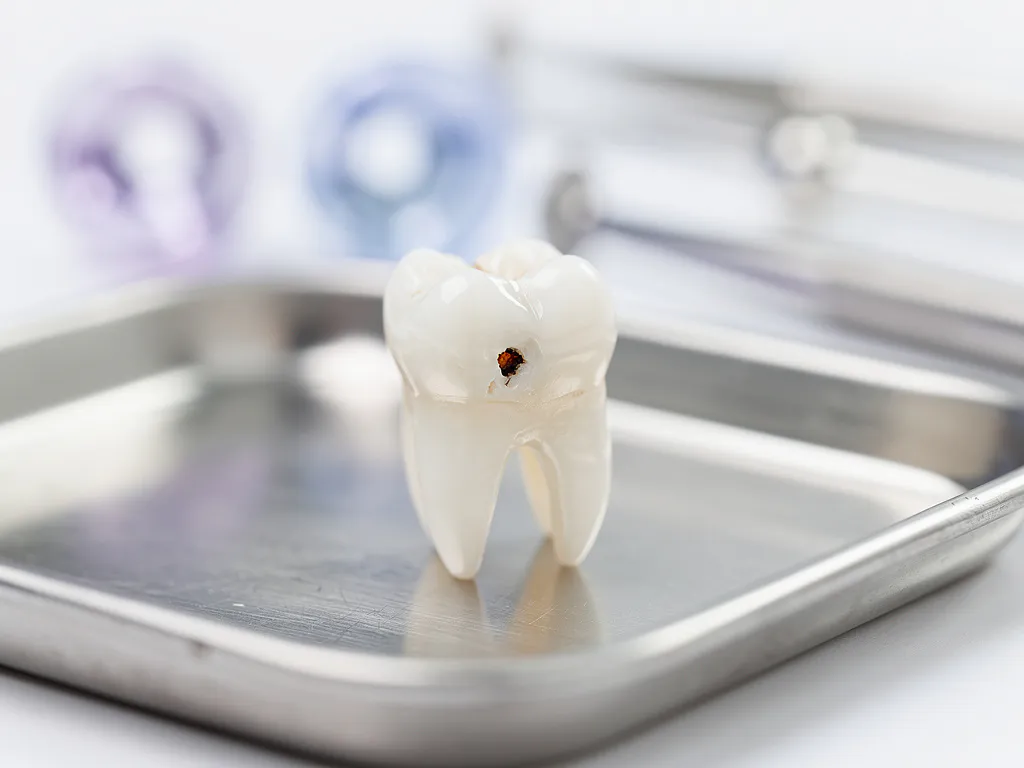
As decay progresses, these white spots may turn yellow, brown, or even black. The discoloration occurs as bacteria continue to produce acids that break down the tooth structure. Brown or black spots typically indicate more advanced decay that has penetrated deeper into the tooth.
Texture changes accompany the visual signs. Early cavities may feel rough or sticky when touched with your tongue or a clean fingernail. The tooth surface loses its smooth, glassy feel as the enamel structure becomes compromised. Small pits or holes may become visible as the cavity advances, though these represent later stages of development.
When Should You See a Dentist About Potential Cavity Signs?
Schedule a dental appointment promptly if you notice white spots, persistent tooth sensitivity, or pain when chewing, as early intervention can often reverse the initial stages of decay. Don’t wait for visible holes to appear, as they indicate more advanced damage that requires more extensive treatment.
The timing of dental intervention significantly affects treatment options and outcomes. When caught in the earliest stages, cavity development can sometimes be halted or even reversed through professional fluoride treatments and improved oral hygiene practices. However, once bacteria penetrate through the enamel into the underlying dentin, the damage becomes irreversible and requires a filling.
Certain symptoms warrant immediate attention regardless of your next scheduled appointment. Persistent pain, swelling around a tooth, or sensitivity that interferes with eating or drinking requires prompt evaluation. These signs may indicate that decay has reached the tooth’s nerve, potentially requiring more complex treatment.
Regular dental checkups every six months allow for professional cavity detection using tools and techniques not available at home. Dentists can identify cavities in their earliest stages using special lights, probes, and X-rays that reveal decay between teeth or below the surface, where visual inspection cannot detect problems.
How Can You Prevent Cavities From Developing in the First Place?
Prevent cavities by establishing consistent oral hygiene routines, including brushing twice daily with fluoride toothpaste, flossing daily, limiting sugary snacks, and using advanced plaque-control methods that target bacterial biofilm at the microscopic level, where traditional cleaning methods may fall short.
The foundation of cavity prevention lies in understanding that tooth decay results from bacterial activity in dental plaque. When plaque bacteria consume sugars and starches from food, they produce acids that attack tooth enamel. Consistent removal of this bacterial biofilm prevents acid production and protects teeth from decay.
Brushing twice daily with fluoride toothpaste removes plaque from most tooth surfaces, but mechanical cleaning alone cannot reach all areas where bacteria accumulate. Plaque forms a structured biofilm that adheres strongly to teeth, particularly along the gum line and between teeth, where toothbrush bristles cannot effectively penetrate.
Daily flossing removes plaque between teeth, while limiting sugary and starchy snacks reduces the fuel available for bacterial acid production. Encouraging water consumption—especially fluoridated tap water, when available—helps neutralize acids and provides additional mineral protection for teeth.
Advanced prevention strategies focus on disrupting dental biofilm at a microscopic level. Light-activated photodynamic therapy, such as that used in Lumoral treatments, combines specific wavelengths of light with photosensitizing compounds to reduce bacterial viability within plaque biofilm structures that resist mechanical removal. This approach complements brushing and flossing by targeting bacterial communities in areas that are difficult to reach with traditional cleaning methods.
Dietary choices play a crucial role in cavity prevention. Fresh fruits and vegetables stimulate saliva production, which naturally helps neutralize acids and wash away food particles. Limiting frequent snacking—especially on sugary or starchy foods—reduces the number of acid attacks on teeth throughout the day. When sweet treats are consumed, eating them with meals rather than as standalone snacks minimizes prolonged acid exposure.

