
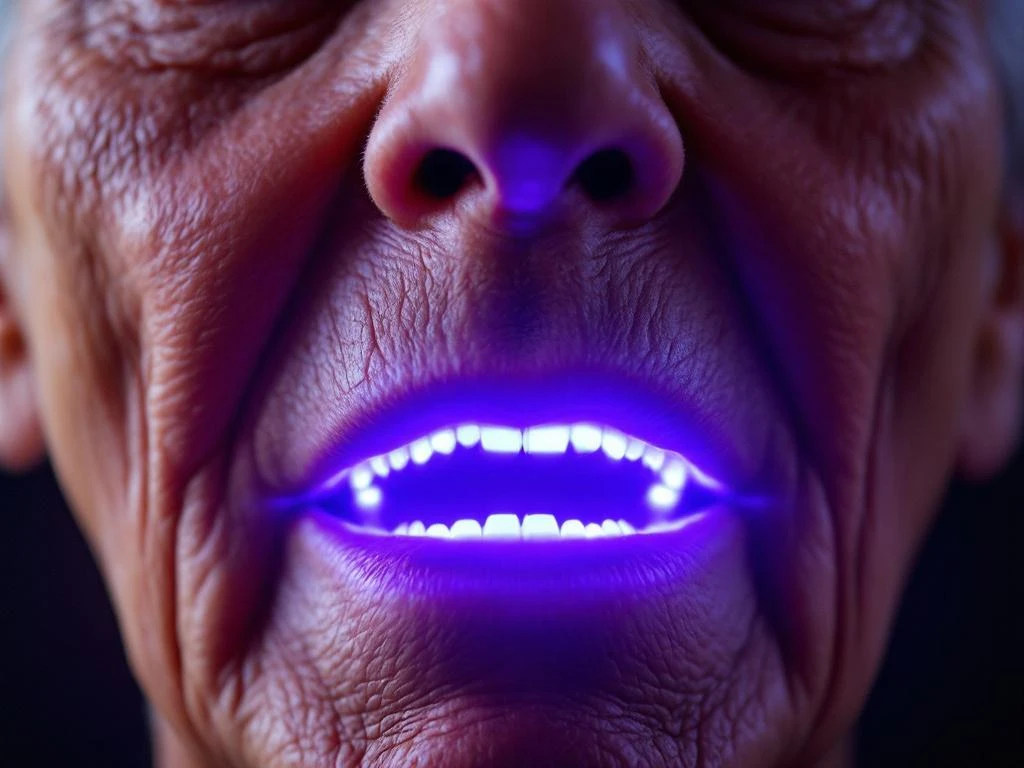
Longevity enthusiasts have mastered the fundamentals: quality sleep, nutrient-dense nutrition, regular movement, adequate sunlight exposure, and gut microbiome support. These pillars form the foundation of healthy aging and vitality. Yet despite optimising these areas, many biohackers continue to experience systemic inflammation, cardiovascular concerns, and cognitive decline. The missing piece lies in an unexpected place: your mouth.
Oral health represents the sixth pillar of longevity, connecting directly to systemic wellness through pathways most people never consider. When plaque bacteria colonise your gums, they create inflammatory cascades that extend far beyond your mouth, influencing heart health, blood sugar control, and even memory function. Understanding this connection transforms oral care from a cosmetic concern into a critical longevity strategy.
The hidden longevity pillar most biohackers ignore
Sleep optimisation, real-food nutrition, movement practices, vitamin D adequacy, and microbiome support dominate longevity discussions. These evidence-based pillars deserve their reputation as health foundations. However, oral health connects to every single one of these systems, amplifying their benefits when healthy or undermining their effects when compromised.
Your mouth serves as the entry point for both nutrients and pathogens. When gum inflammation persists, it creates a constant source of systemic inflammation that counteracts the anti-inflammatory benefits of quality sleep and nutrition. The oral microbiome directly influences gut bacteria composition, whilst chronic periodontal infection triggers immune responses that affect cardiovascular health and cognitive function.
Research demonstrates clear connections between oral bacteria and conditions like Alzheimer’s disease, diabetes complications, and heart disease. Porphyromonas gingivalis, a key periodontal pathogen, has been found in the brain tissue of Alzheimer’s patients, suggesting direct bacterial migration from mouth to brain. This revelation positions oral health as a fundamental longevity practice rather than merely aesthetic maintenance.
Why 70% of adults battle oral inflammation despite daily brushing
Traditional brushing and flossing, whilst essential, cannot fully address microscopic plaque formation and biofilm development. Studies indicate that up to 70% of adults show signs of gum inflammation, even amongst those who maintain regular oral hygiene routines. This widespread prevalence suggests that conventional methods alone are insufficient for comprehensive oral health.
Biofilms represent the core challenge in oral health management. These structured bacterial communities form protective matrices that shield harmful bacteria from mechanical removal and antimicrobial agents. Once established, biofilms become increasingly resistant to disruption through brushing alone, allowing pathogenic bacteria to multiply and trigger inflammatory responses.
Plaque bacteria operate at microscopic levels, colonising areas that toothbrush bristles cannot effectively reach. The spaces between teeth, gum pockets, and irregular tooth surfaces provide ideal environments for bacterial accumulation. Even with meticulous technique, mechanical cleaning leaves behind bacterial reservoirs that quickly repopulate cleaned areas.
Subclinical inflammation often develops without obvious symptoms, meaning many people experience ongoing immune activation without realising their oral health is compromised. This silent inflammation contributes to systemic health issues whilst remaining largely invisible during daily life.
How oral bacteria trigger systemic disease and accelerate aging
Periodontal bacteria enter systemic circulation through inflamed gum tissues, creating direct pathways for infection and inflammation throughout the body. Research published in peer-reviewed journals demonstrates clear mechanistic links between oral pathogens and major chronic diseases that accelerate aging processes.
Cardiovascular disease risk increases significantly with periodontal infection. Bacterial endotoxins from oral pathogens trigger inflammatory cascades that promote atherosclerosis, whilst direct bacterial invasion of arterial walls contributes to plaque formation. Harvard Health Publishing notes that these connections have been observed consistently across multiple population studies.
Diabetes management becomes more challenging when oral inflammation persists. Periodontal infection creates insulin resistance through inflammatory cytokine production, making blood sugar control more difficult. Conversely, elevated blood glucose levels provide ideal conditions for bacterial growth, creating a cycle that worsens both conditions simultaneously.
Cognitive health faces particular risks from oral bacteria. Porphyromonas gingivalis produces enzymes called gingipains that have been detected in the brain tissue of Alzheimer’s patients. These findings suggest that oral bacteria may directly contribute to neurodegeneration through bacterial migration and inflammatory processes that damage neural tissue.
Chronic inflammation from oral sources accelerates cellular aging through oxidative stress and immune system exhaustion. When your body is constantly fighting oral infections, resources are diverted from repair and maintenance processes that support longevity and vitality.
Modern oral health technology: beyond brushing and flossing
New technology for oral health addresses the limitations of traditional mechanical cleaning through targeted antibacterial approaches. Light-activated therapies represent a significant advancement in home oral care, offering precise bacterial control without the broad-spectrum disruption caused by conventional antiseptics.
Photodynamic therapy combines light-sensitive compounds with specific wavelengths to create localised antibacterial effects. This approach selectively targets pathogenic bacteria whilst preserving beneficial oral flora, maintaining the natural balance essential for oral health. The technology has been used in medical applications for decades and is now available for preventive oral care.
Dual-light systems provide comprehensive bacterial management through multiple mechanisms. Blue light wavelengths offer direct antibacterial effects, whilst near-infrared light supports tissue health and healing. This combination addresses both bacterial control and gum tissue support in a single treatment protocol.
The Lumoral Starter Kit exemplifies this technological advancement, combining a light-activated mouth rinse with precise LED delivery for targeted plaque management. Clinical studies demonstrate significant improvements in gum health when these technologies supplement traditional oral hygiene practices.
These innovations transform oral care from reactive treatment to proactive prevention, allowing individuals to address bacterial challenges before they develop into inflammatory conditions that affect systemic health.
Integrating antibacterial light therapy into your longevity protocol
Modern oral health technologies integrate naturally into existing biohacking routines without disrupting established practices. Light-activated treatments typically require 10–15 minutes every few days, fitting easily into morning or evening protocols alongside other wellness practices.
Treatment frequency depends on individual risk factors and current oral health status. Healthy individuals may benefit from twice-weekly applications, whilst those with existing gum inflammation might use the technology daily until improvement occurs. The approach complements rather than replaces fundamental oral hygiene practices.
Timing considerations align with circadian health principles. Evening treatments allow antibacterial effects to work overnight when saliva production decreases, maximising bacterial control during vulnerable periods. Morning applications can address bacterial accumulation from overnight growth.
Integration with existing supplements and practices enhances overall effectiveness. Anti-inflammatory nutrients like omega-3 fatty acids support the healing response triggered by improved oral health, whilst adequate vitamin D supports immune function and tissue repair. Those interested in the benefits of improving oral health will find these synergistic effects particularly valuable.
Monitoring progress through simple indicators like gum bleeding, morning breath quality, and overall mouth comfort provides feedback for protocol adjustment. Many users notice improvements within weeks of consistent use, with continued benefits developing over months of regular application.
The connection between oral health and longevity represents one of the most overlooked yet powerful interventions available to health-conscious individuals. By addressing bacterial challenges at their source through advanced technologies, you create a foundation for systemic wellness that amplifies every other aspect of your longevity protocol. The mouth truly serves as the gateway to whole-body health, making oral care technology an essential component of comprehensive wellness strategies.

