
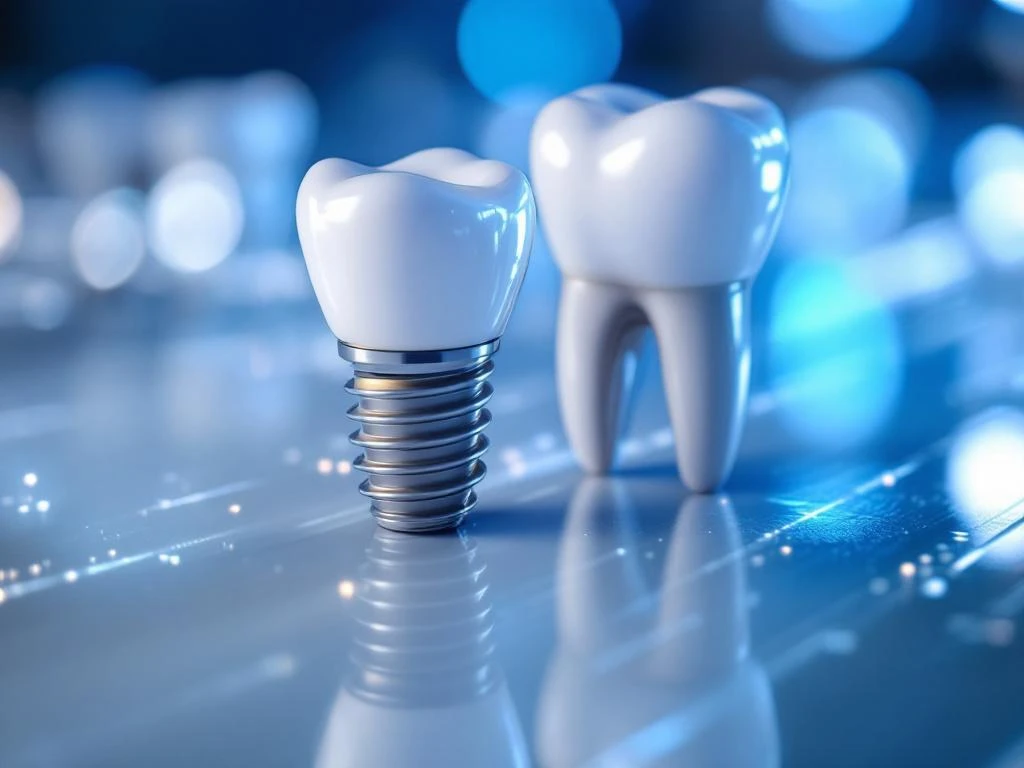
Dental implants represent one of modern dentistry’s greatest achievements, yet their long-term success depends heavily on maintaining healthy surrounding tissues. Traditional implant care relies primarily on mechanical cleaning methods, but breakthrough light technology is transforming how we approach implant maintenance and preparation. This innovative approach combines antibacterial blue light with photodynamic therapy to target harmful bacteria while supporting tissue health. The result is a comprehensive solution that addresses the unique challenges of implant care, from initial tissue preparation through long-term maintenance. Understanding how this technology works can revolutionise your approach to implant success.
Accelerating implant-ready tissue development with targeted light therapy
Preparing soft tissues for successful implant placement requires achieving optimal gum health, particularly by reducing bleeding on probing to clinically acceptable levels. Dual-light technology addresses this challenge through a targeted approach that combines 405 nm blue light for bacterial inactivation with 810 nm near-infrared light for tissue support.
The photodynamic process begins when patients rinse with a light-sensitive solution containing indocyanine green (ICG), a medical dye that binds to plaque bacteria. When activated by the blue light, this creates a localised antibacterial effect that specifically targets pathogenic organisms without disrupting beneficial oral microflora.
Simultaneously, the near-infrared light provides photobiomodulation, supporting gingival tissue health and promoting healing. This dual action helps establish the stable, healthy tissue environment essential for implant integration. Patients can achieve these improvements through regular home use, making tissue preparation more predictable and efficient than relying solely on professional cleanings and traditional oral hygiene methods.
Preventing peri-implant complications through advanced biofilm management
Peri-implantitis remains one of the most significant threats to implant longevity, often developing when bacterial biofilms establish around implant surfaces. Light-activated therapy offers a sophisticated approach to biofilm management that goes beyond conventional mechanical cleaning methods.
The technology’s precision lies in its ability to target pathogenic bacteria specifically. The ICG dye preferentially binds to harmful plaque bacteria, creating a targeted treatment zone when activated by light. This selective action helps maintain the delicate balance of oral microflora while effectively reducing inflammation-causing organisms around implants.
Regular use of this technology can significantly reduce the bacterial load that contributes to peri-implant complications. The Lumoral system provides patients with a practical tool for maintaining this bacterial balance at home, complementing professional maintenance visits and reducing the risk of developing peri-implantitis over time.
Supporting tissue stability when mechanical cleaning is compromised
Post-surgical healing periods, complex prosthetic designs, and high-risk patient conditions often limit traditional brushing and interdental cleaning around implants. Light therapy provides crucial support during these vulnerable periods when mechanical plaque control is restricted or contraindicated.
The gentle nature of photodynamic therapy makes it suitable for use even when tissues are healing or when prosthetic designs create challenging cleaning areas. Patients can maintain effective plaque control without the mechanical trauma that might compromise healing tissues or damage delicate prosthetic components.
This technology may be especially valuable for patients with limited dexterity, complex medical conditions, or prosthetic designs that create cleaning challenges. The simple rinse-and-activate protocol allows continued, effective implant care even when conventional methods are temporarily or permanently limited.
Strengthening home care for patients with challenging oral hygiene
Many patients struggle with conventional brushing and interdental cleaning techniques, particularly around implants where access can be difficult and technique requirements are demanding. Photodynamic therapy supplements inadequate mechanical plaque control by providing an additional layer of bacterial management that does not rely on manual dexterity or perfect technique.
The technology’s effectiveness does not depend on precise brush angles or interdental device manipulation. Patients simply rinse thoroughly to distribute the light-sensitive solution, then activate it with the LED device. This simplicity makes effective plaque control accessible to patients who previously struggled to maintain optimal implant hygiene.
For patients with arthritis, limited mobility, or other conditions affecting manual dexterity, this represents a significant advancement in maintaining implant health. The clinical evidence supporting light therapy demonstrates its effectiveness as an adjunct to whatever level of mechanical cleaning patients can achieve.
Integrating light therapy into implant maintenance protocols
Successful implant care requires systematic monitoring and maintenance protocols that link periodontal health with implant reviews. Light therapy integrates naturally into existing recall schedules, providing both treatment and monitoring opportunities that enhance comprehensive patient care.
The technology supports a clear maintenance framework in which patients use light therapy regularly between visits while clinicians monitor bleeding, pocket depths, and peri-implant status at recall appointments. This creates a continuous care cycle that addresses both prevention and early intervention needs.
Practitioners can prescribe specific usage frequencies based on individual risk factors, with healthy patients using the system approximately every fourth day and higher-risk patients using it more frequently. This flexibility allows personalised care plans that fit naturally into existing implant care protocols while supporting clinical monitoring of bleeding indices, pocket depths, and peri-implant status.
Clinical evidence supporting light therapy in implant care
The effectiveness of light-activated therapy in oral health has been demonstrated through randomised controlled trials.
These clinical studies demonstrate that patients achieve better outcomes when Lumoral light therapy supplements traditional mechanical plaque control methods. The research shows particular benefits in reducing inflammation markers and supporting tissue stability around both natural teeth and implants.
The Lumoral Starter Kit represents this clinically validated technology in a practical home-use system. The CE-marked & MDR approved device brings the benefits of professional-grade light therapy into patients’ daily routines, extending the clinical evidence into real-world applications that support long-term implant success.
Implementing dual-light technology in everyday practice workflow
Integrating light therapy into dental practice workflows requires practical guidance on prescribing protocols, patient education strategies, and monitoring systems that complement existing procedures. The technology fits naturally into current practice patterns while enhancing treatment outcomes.
Patient education focuses on a simple three-step protocol: rinse with the light-activated solution for 60 seconds, activate with the mouthpiece for 10 minutes, then brush teeth as usual. This straightforward routine makes compliance achievable while providing significant clinical benefits.
Monitoring protocols align with standard recall schedules, allowing practitioners to assess bleeding indices, pocket depths, and tissue stability alongside traditional implant maintenance procedures. The frequently asked questions about implementation help practices integrate this technology smoothly while maintaining their established workflows and patient care standards.
Light technology represents a significant advancement in implant care, offering solutions for tissue preparation, complication prevention, and long-term maintenance. This evidence-based approach provides patients and practitioners with powerful tools for achieving optimal implant outcomes through targeted bacterial management and tissue support.

