
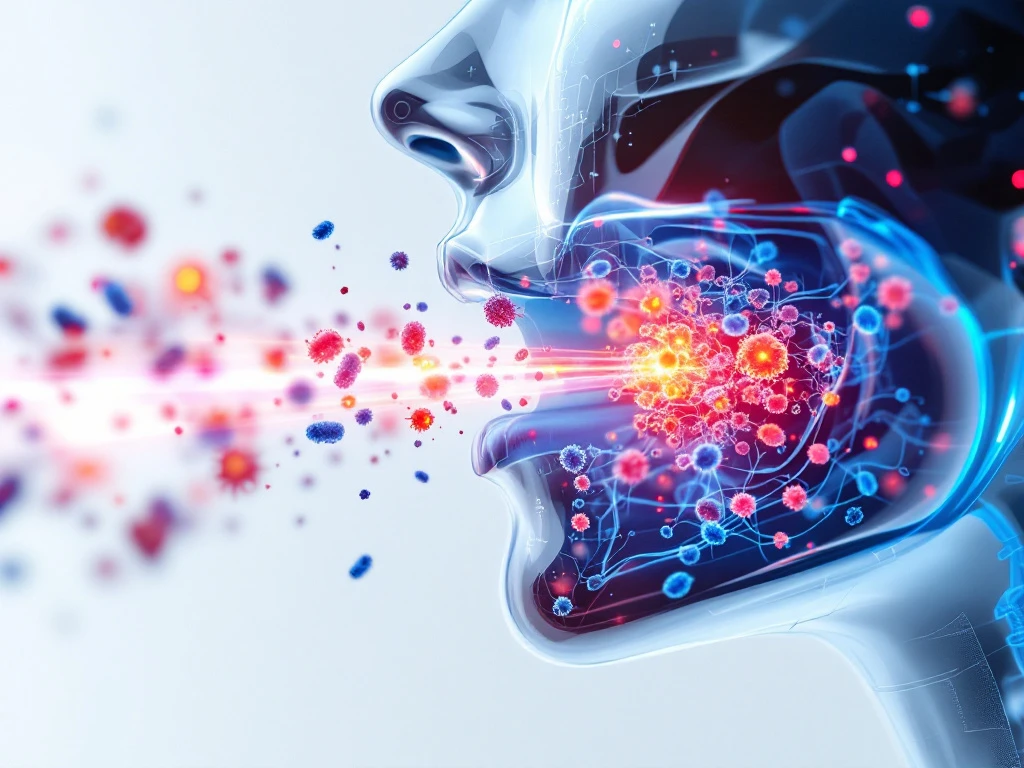
Most people reach for mouthwash when they notice bad breath, believing a quick rinse will solve the problem. However, this approach only masks the odour temporarily rather than addressing its root cause. True freshness comes from understanding that halitosis stems from complex bacterial processes occurring deep within your mouth’s ecosystem, not just surface-level bacteria that conventional products target.
The key to lasting oral freshness lies in restoring bacterial balance rather than simply covering unpleasant smells. When you understand the science behind persistent bad breath, you can make informed decisions about evidence-based treatments that address the underlying causes whilst supporting your overall oral health.
What causes persistent bad breath beyond surface bacteria
The primary culprits behind chronic halitosis are volatile sulfur compounds (VSCs), gases produced when specific bacteria break down proteins in your mouth. These microscopic organisms thrive in areas where oxygen levels are low, particularly on the tongue’s surface and within the gum line, where they metabolise amino acids and release foul-smelling gases.
Oral biofilm formation creates the perfect environment for these odour-producing bacteria to flourish. This sticky, protective layer allows harmful microorganisms to attach firmly to tooth surfaces and soft tissues, making them incredibly difficult to remove through conventional brushing and flossing alone. Even the most thorough mechanical cleaning removes only about 65% of plaque bacteria, leaving behind communities that continue producing VSCs.
Research shows that maintaining a healthy balance of oral bacteria is essential for overall health, comparable in importance to getting sufficient sleep.
The connection between bacterial activity and underlying gum inflammation, including gingivitis and periodontitis, creates a cycle where inflamed tissues provide more nutrients for harmful bacteria whilst compromised gum health makes effective cleaning increasingly challenging. This relationship explains why surface treatments often fail to provide long-term relief from persistent bad breath.
Why conventional mouthwash solutions fail long-term
Alcohol-based mouthwashes create a false sense of cleanliness by temporarily killing bacteria indiscriminately. However, this broad-spectrum approach disrupts your mouth’s natural microbiota balance, eliminating beneficial bacteria alongside harmful ones. The alcohol content also causes mouth drying, reducing saliva production that naturally helps control bacterial growth and neutralise acids.
Standard toothpaste, whilst essential for mechanical plaque removal, cannot penetrate the deep biofilm layers where odour-causing bacteria establish their colonies. These protective bacterial communities resist surface treatments, allowing VSC production to continue even after thorough brushing and rinsing routines.
Research findings consistently demonstrate the limited long-term effectiveness of broad-spectrum antiseptic rinses. Whilst they may provide temporary relief, they often lead to bacterial resistance and microbiome disruption, potentially worsening the underlying conditions that contribute to chronic halitosis. The mouth’s complex ecosystem requires targeted approaches that preserve beneficial bacteria whilst addressing specific harmful species.
How photodynamic therapy targets odour-causing bacteria
Dual-light therapy represents a breakthrough in selective bacterial treatment, combining blue light wavelengths (405 nm) for direct antibacterial action with near-infrared light (810 nm) for tissue support and photobiomodulation. This precise approach allows clinicians to target specific bacteria responsible for VSC production without the collateral damage caused by conventional antiseptics.
The photodynamic effect works through light-activated compounds that selectively bind to harmful bacteria. When exposed to specific wavelengths, these photosensitising agents create localised reactive oxygen species that eliminate odour-causing microorganisms with microscopic precision. This targeted mechanism specifically addresses bacteria like Streptococcus mutans, which lack protective catalase enzymes against reactive oxygen.
Rather than disrupting the entire oral ecosystem, photodynamic therapy supports the restoration of healthy microbiome balance. By selectively reducing harmful bacterial populations whilst preserving beneficial species, this approach creates conditions for sustained freshness and improved oral health. The treatment addresses residual plaque in areas that mechanical cleaning cannot effectively reach, providing comprehensive bacterial management.
Implement advanced light-based oral care systems
CE-marked medical technology for oral health brings clinical-grade photodynamic therapy into home care routines. These systems combine light-activated rinses containing photosensitising compounds with precisely calibrated LED devices that deliver therapeutic wavelengths safely and effectively.
Light-activated rinse systems work through a simple protocol: the photosensitive solution binds selectively to plaque bacteria, then targeted light exposure creates localised antibacterial effects. Treatment typically involves rinsing with the activated solution for 60 seconds, followed by 10-minute light exposure, then conventional brushing to remove inactivated bacterial debris.
For optimal bacterial reduction, treatment protocols recommend regular use approximately every fourth day for healthy mouths, with more frequent applications for individuals with active gum disease or persistent halitosis. This approach integrates seamlessly with conventional oral hygiene practices, enhancing rather than replacing mechanical cleaning methods.
The Lumoral Starter Kit exemplifies this advanced approach, offering a Finnish oral health innovation that combines light-activated technology with evidence-based treatment protocols. By targeting microscopic dental plaque without disturbing healthy bacterial balance, such systems provide professional-level care that addresses the root causes of persistent bad breath whilst supporting overall oral health.
Understanding the science behind chronic halitosis empowers you to choose treatments that restore bacterial balance rather than merely masking symptoms. As research continues revealing connections between oral health and systemic wellness, investing in targeted, evidence-based approaches becomes increasingly important for maintaining both fresh breath and optimal health outcomes.

