
Why does my breath smell so bad? Discover the real causes of persistent bad breath
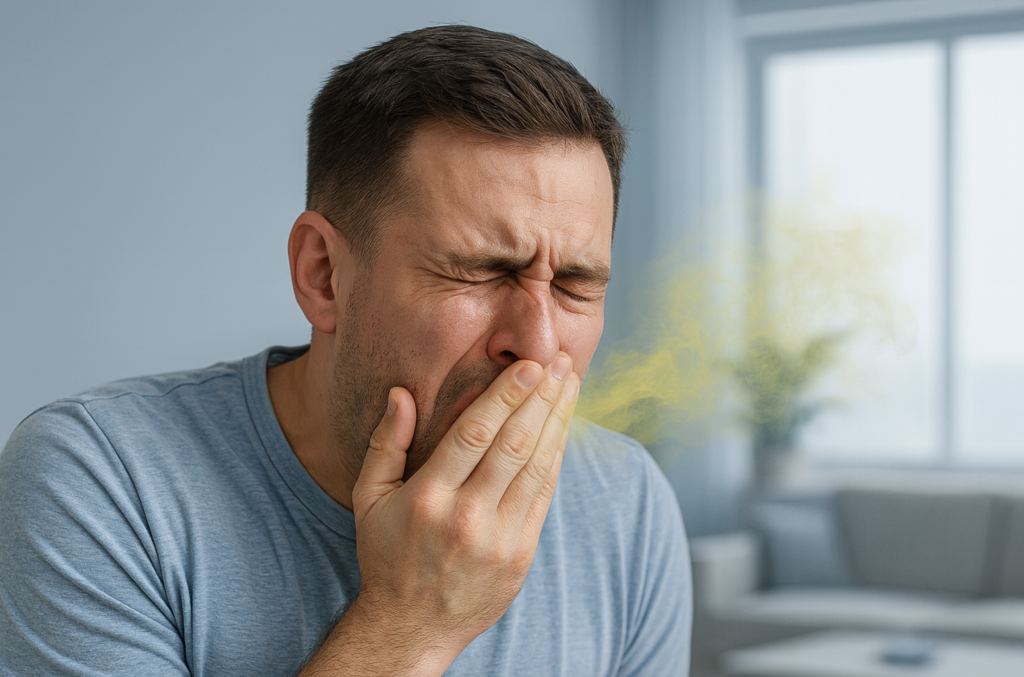
Bad breath isn’t just about food particles – it’s caused by anaerobic bacteria producing sulfur compounds in hidden areas of your mouth that regular brushing can’t reach. Even with daily oral hygiene, these bacterial colonies thrive in tongue crevices, gum pockets, and between teeth, continuously releasing unpleasant odors. Understanding the science behind halitosis reveals why conventional approaches often fail and points to more effective solutions. From bacterial biofilms to underlying health conditions like gum disease and diabetes, persistent bad breath requires targeted treatment strategies. Discover the real culprits behind chronic halitosis and evidence-based methods that actually work to eliminate stubborn breath odors for good.
What is the number one rated electric toothbrush in UAE: Is brushing enough?
The Oral-B Pro 2 2000 consistently earns top ratings from Wirecutter, Telegraph, and consumer reviews for its superior clinical effectiveness and value. However, even the best electric toothbrushes remove only 65% of harmful plaque bacteria, leaving significant biofilm that contributes to gum disease. This comprehensive guide reveals which models dominate expert recommendations and explores revolutionary photodynamic therapy technologies that eliminate over 99.99% of bacteria traditional brushing cannot reach, offering a new paradigm for complete oral health beyond mechanical cleaning alone.
Collagen connection: understanding how gum tissue regeneration really works at the cellular level (advanced)

Ever wondered why some gums heal beautifully after treatment while others struggle? The secret lies in cellular collagen production and tissue regeneration mechanisms. Fibroblasts, periodontal ligament cells, and matrix metalloproteinases orchestrate an intricate healing dance at the molecular level. Understanding how growth factors trigger collagen synthesis, why inflammation control accelerates recovery, and how modern light-activated treatments support natural healing processes can transform your gum disease prevention strategy. This comprehensive guide reveals the fascinating cellular choreography that determines whether periodontal regeneration succeeds or fails, empowering you to make informed decisions about optimizing your oral health outcomes.
Should you use specialized oral health products in 2025?
Advanced oral health technologies in 2025 are transforming dental care through photodynamic therapy and dual-light systems that eliminate up to 99.998% of harmful plaque bacteria. Unlike traditional brushing that removes only 65% of plaque, these specialized products use targeted light wavelengths with photosensitive compounds to precisely eliminate pathogenic bacteria while preserving beneficial oral microflora. This precision approach addresses the root causes of gum disease and supports overall health, making specialized oral care increasingly essential for preventing serious conditions linked to oral bacteria and systemic inflammation.
What is Photodynamic therapy?

Photodynamic therapy (PDT) was discovered by accident in 1900 by a medical student, Oscar Raab, in Munich. He was studying common freshwater bugs, paramecium, and noted that the organic compound acridine orange somehow sensitized the cells to light. effect is based on light activation of photosensitizing molecules, usually dyes, which cause a chain reaction that releases […]
World Health Day highlights the need for oral health-related knowledge of health professionals

The link between oral and general health is widely understood, but is this reflected in Finland’s health care system and people’s oral health? To mark World Health Day, Jukka Meurman, Professor Emeritus of Oral Infectious Diseases, and Tommi Pätilä, cardiac and transplant surgeon at the New Children’s Hospital of HUS, reflect on the issue from […]
What is tooth erosion and how can it be prevented?

Tooth erosion is a common problem that involves the chemical wear of tooth enamel without the influence of bacteria. It can lead to tooth pain, sensitivity and even tooth loss if not treated in time. Tooth erosion is a process in which tooth enamel dissolves under the influence of acids. This is different from decay, […]
Oral diseases are uncomfortable to treat but easy to prevent
Teeth cleaning is a very efficient way of preventing many annoying problems. The article was written in cooperation with Mediaplanet as a part of the Mouth, Eyesight and Hearing campaign. The original article can be found from Kansanterveys.fi. Children should be taught to look after their teeth, as good dental hygiene equals a healthy mouth. According to Dr. Jukka […]
Oral Health and Brain Health: The Crucial Connection for Overall Well-being

Dental and oral bacteria have been linked to numerous chronic diseases throughout the body. Recent research indicates that thorough brushing and regular dental visits can also play a role in preventing strokes (1). According to statistics from the World Stroke Organization (WSO), over 13 million people globally suffer from strokes each year, with one in […]
A new precision tool helps combat bacteria in the teeth and gums.
Gum disease goes often without symptoms. For people with diabetes, this condition is more common. Gingivitis is an infection of the gums. It iscaused byresidual plaque on the teeth and gumline. The plaque bacteria irritate the gum tissue, and as a result, the gums get inflamed. Signs of gingivitis include swollen, tender or puffy gums, bleeding when […]

