
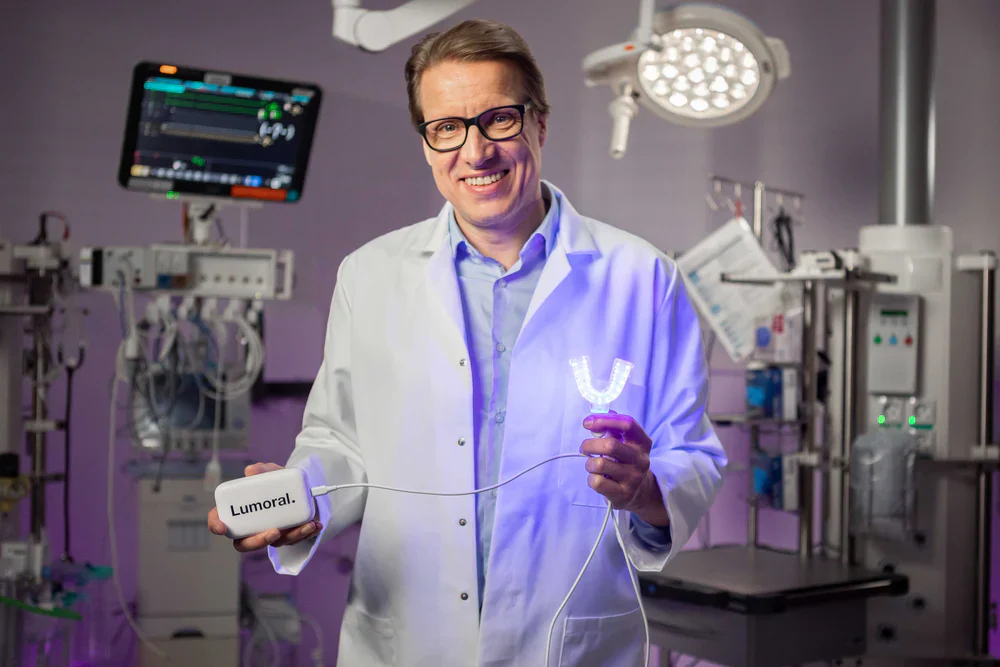
The landscape of oral healthcare is undergoing a revolutionary transformation. Dental professionals worldwide are witnessing unprecedented advances in innovative dental technology that promise to redefine patient outcomes and clinical protocols. At this moment we are in a time where around two thirds of people have some form of gum inflammation. Yes, if your gums bleed when you brush or floss, you should feel targeted and be a bit worried. Traditional approaches, whilst foundational, are increasingly insufficient for addressing the complex bacterial challenges facing modern patients. However, breakthrough technologies are emerging that offer targeted, evidence-based solutions to long-standing periodontal problems. Lumoral represents one such advancement, combining dual-light photodynamic therapy with precision bacterial targeting to deliver next-generation oral health devices that transform preventive care.
Why traditional oral care protocols fail modern patients
Conventional periodontal treatments face mounting challenges that expose critical gaps in their effectiveness. Mechanical debridement, whilst remaining a cornerstone of dental hygiene, removes only 65% of plaque bacteria even when performed optimally. This limitation becomes particularly problematic when considering that harmful bacteria rapidly recolonise treated areas within hours of professional cleaning.
The rise of antibiotic resistance presents an equally concerning challenge. Traditional antimicrobial approaches, such as chlorhexidine-based treatments, create broad-spectrum bacterial disruption that affects beneficial oral microflora alongside harmful pathogens. This indiscriminate action can lead to microbiome imbalances and potential resistance development over time.
Furthermore, modern patients present increasingly complex health profiles. Research demonstrates clear connections between periodontal disease and systemic conditions including cardiovascular disease, diabetes, and Alzheimer’s disease. Therefore, traditional reactive treatment models prove inadequate for addressing the preventive care expectations of health-conscious patients seeking comprehensive wellness solutions.
The growing gap between patient expectations and clinical outcomes reflects these fundamental limitations. Patients require solutions that integrate seamlessly into their daily routines whilst delivering measurable improvements in oral health markers. Traditional protocols often fail to meet these demands, creating opportunities for innovative dental technology to bridge this divide.
How photodynamic therapy revolutionises bacterial elimination
Photodynamic therapy represents a paradigm shift in bacterial elimination through its precision-targeted approach. The technology employs dual-wavelength light systems that combine 405nm blue light for direct antibacterial action with 810nm near-infrared light for tissue support and photobiomodulation. This sophisticated approach addresses bacterial elimination whilst simultaneously promoting gingival health.
The mechanism centres on light-sensitive compounds such as indocyanine green (ICG), which has been safely used in medical applications since the 1950s. When activated by specific wavelengths, these photosensitisers create localised antibacterial effects that selectively target harmful bacteria whilst preserving beneficial oral microflora. This selectivity represents a significant advancement over broad-spectrum antimicrobial treatments.
Clinical applications demonstrate remarkable efficacy rates. Advanced photodynamic systems can eliminate up to 99.998% of harmful plaque bacteria, compared to the 65% removal rate achieved by optimal mechanical cleaning alone. This dramatic improvement occurs through photochemical bacterial inactivation rather than chemical disruption, reducing the risk of resistance development.
The dual-light approach provides additional benefits through photobiomodulation. Near-infrared wavelengths support cellular healing processes and tissue regeneration, creating optimal conditions for periodontal recovery. Professional systems available through lumoralpro.com offer dental practitioners comprehensive protocols for implementing these advanced therapeutic approaches in clinical settings.
Clinical evidence proving innovative dental technology effectiveness
Randomised controlled trials provide compelling evidence for the clinical superiority of photodynamic therapy approaches. The HOPE-CP study, among other significant research initiatives, demonstrates measurable improvements in key periodontal health indicators when photodynamic therapy is added to conventional treatment protocols.
Bleeding on probing measurements show consistent improvements following photodynamic therapy interventions. Patients receiving combination treatments exhibit reduced inflammatory responses and enhanced healing compared to those receiving mechanical debridement alone. These improvements typically manifest within weeks of treatment initiation and demonstrate sustained benefits over extended follow-up periods.
Deep pocket reduction represents another significant clinical outcome. Traditional non-surgical periodontal therapy combined with photodynamic therapy achieves superior pocket depth reductions compared to conventional approaches. This enhanced effectiveness translates to reduced need for surgical interventions and improved long-term periodontal stability.
Quantifiable bacterial reduction data supports these clinical improvements. Studies demonstrate that next generation oral health devices utilising photodynamic principles maintain antibacterial effects for extended periods post-treatment. The sustained bacterial suppression contributes to slower plaque reformation and improved maintenance of periodontal health between professional interventions.
Implementing breakthrough technology in dental practice workflows
Successful integration of photodynamic therapy requires strategic workflow modifications that optimise both clinical efficiency and patient outcomes. Patient selection criteria should prioritise individuals with moderate to severe gingivitis, those at high risk for periodontal disease progression, and patients seeking enhanced preventive care options.
Treatment scheduling considerations must account for the multi-step nature of photodynamic protocols. Typical sessions require approximately 15 minutes for complete treatment cycles, including photosensitiser application, light activation periods, and post-treatment assessment. This timeframe integrates effectively with standard hygiene appointments whilst providing significant therapeutic value.
Staff training requirements focus on understanding photodynamic principles, proper equipment operation, and patient communication strategies. Team members must become proficient in explaining the science behind light-activated treatments and addressing patient questions about this innovative approach. Professional resources at lumoralpro.com provide comprehensive training materials for clinical implementation.
Patient communication approaches should emphasise the precision and selectivity of photodynamic therapy compared to traditional antimicrobial treatments. Explaining how the technology targets harmful bacteria whilst preserving beneficial microflora helps patients understand the advanced nature of these interventions. This education supports treatment acceptance and compliance with recommended protocols.
The integration of breakthrough technologies like photodynamic therapy represents more than technological advancement. It signifies a fundamental shift towards precision-based periodontal care that addresses both immediate clinical needs and long-term health outcomes. As dental professionals embrace these innovations, patients benefit from more effective, comfortable, and scientifically advanced oral healthcare solutions that support their overall wellbeing.

