
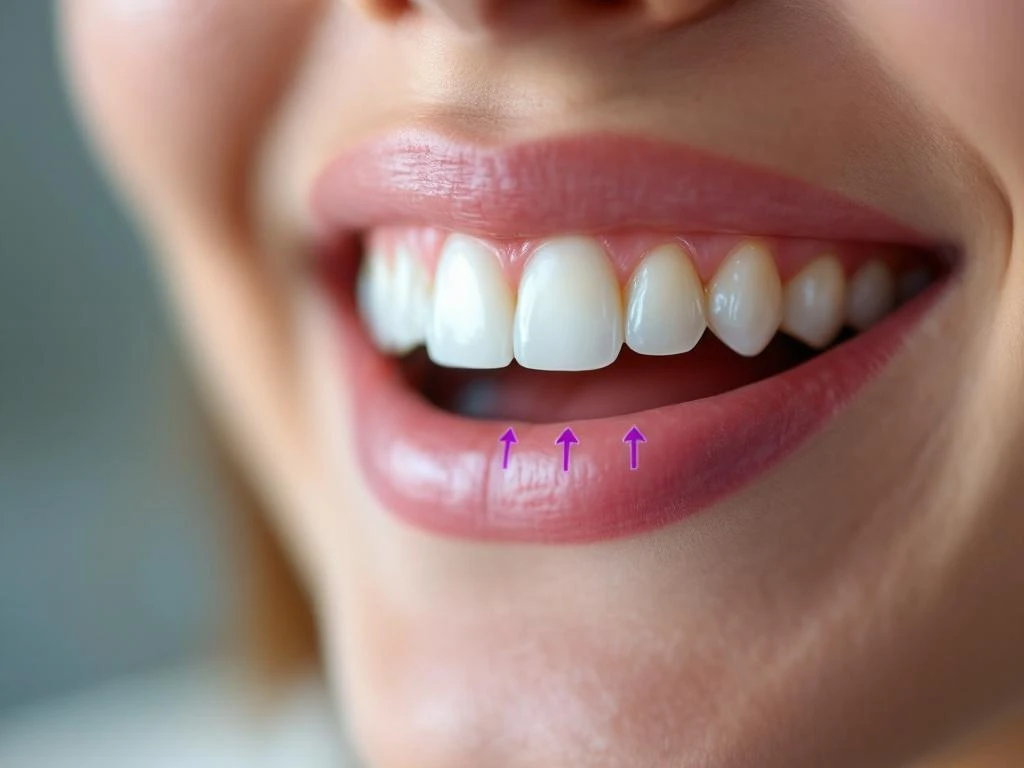
If you’ve noticed your gums pulling away from your teeth, you’re not alone. Gum recession affects millions of people and often develops so gradually that many don’t notice it until it becomes more pronounced. While some factors contributing to gum recession cannot be changed, understanding what causes it and taking appropriate action can help protect your remaining gum tissue and support overall oral health.
The question of whether gum recession can be reversed naturally is complex. While lost gum tissue typically doesn’t regenerate on its own, you can often halt progression and improve gum health through proper care. The key lies in addressing the underlying bacterial inflammation that drives the process while maintaining realistic expectations about what natural approaches can achieve.
Why Gum Recession Happens and What You Can Control
Gum recession occurs when the gum tissue that surrounds your teeth gradually pulls away, exposing more of the tooth root. This process is primarily driven by bacterial accumulation and the inflammatory response it triggers. When plaque bacteria accumulate along the gum line, they form sticky biofilms that adhere to tooth surfaces and release toxins that irritate gum tissue.
These bacterial biofilms, if not effectively removed, cause chronic inflammation in the gums. Over time, this persistent inflammation breaks down the connective tissues that hold your gums firmly against your teeth. The inflammatory process also affects the underlying bone structure that supports your teeth, creating a cascade of tissue loss.
Several factors influence your risk of gum recession. Genetics play a significant role in determining your susceptibility to gum disease and recession. Some people naturally have thinner gum tissue or are more prone to inflammatory responses. However, many contributing factors remain within your control, including oral hygiene practices, smoking habits, teeth grinding, and aggressive brushing techniques that can mechanically damage delicate gum tissue.
What Happens When Gum Recession Progresses Untreated
When gum recession continues without intervention, the protective seal between your gums and teeth gradually weakens. This creates deeper spaces, called periodontal pockets, where bacteria can accumulate more easily. These pockets become increasingly difficult to clean with regular brushing and flossing, allowing bacterial populations to flourish.
As bacterial biofilms establish themselves in these deeper pockets, they continue producing inflammatory toxins. This ongoing inflammation affects not only the gum tissue but also the underlying bone that supports your teeth. Over time, this can lead to bone loss around the tooth roots, which may cause teeth to become loose or shift position.
The exposed tooth roots that result from gum recession are more susceptible to decay, as they lack the protective enamel covering found on the tooth crown. Additionally, many people experience increased tooth sensitivity to hot, cold, or sweet foods and drinks. The aesthetic impact can also be significant, as recession makes teeth appear longer and can create gaps between teeth.
Standard Care Approaches for Managing Gum Recession
Conventional treatment for gum recession focuses on controlling the bacterial burden and inflammation that drive the process. Professional dental cleanings remove hardened tartar deposits that cannot be eliminated through home care alone. During these cleanings, dental hygienists use specialised instruments to remove bacterial biofilms from below the gum line.
For more advanced cases, scaling and root planing procedures provide deeper cleaning. This treatment involves carefully cleaning the tooth roots and smoothing their surfaces to discourage further bacterial accumulation. The procedure helps remove bacterial products and toxins while promoting better gum attachment to the tooth surface.
Daily home care remains fundamental to managing gum recession. Proper brushing technique using a soft-bristled toothbrush helps remove plaque without causing additional mechanical trauma to the gums. Daily flossing removes bacteria from between teeth where brushes cannot reach effectively. However, even meticulous home care and regular professional cleanings may not fully address the bacterial biofilm formation that contributes to ongoing inflammation.
How Advanced Home Care Addresses Bacterial Inflammation
While standard oral care provides significant benefits, it may not completely eliminate the bacterial biofilms that drive gum inflammation. Research shows that even the most thorough brushing removes only about 65% of plaque, leaving substantial bacterial populations that can continue contributing to inflammatory processes.
The challenge lies in effectively targeting the organised bacterial communities that form biofilms along the gum line. These biofilms are particularly resistant to removal and can quickly re-establish themselves even after mechanical cleaning. This is where targeted antibacterial approaches may provide additional support for gum health.
One adjunctive approach designed to address this bacterial and inflammatory burden is Lumoral, a dual-light oral care system developed to support gum health at home. This CE-marked device uses 405 nm blue light combined with a photosensitive mouth rinse to target plaque bacteria with precision. The system also incorporates 810 nm near-infrared light to support tissue health through photobiomodulation.
Unlike broad-spectrum antiseptics that can disrupt beneficial oral bacteria, this targeted approach selectively binds to plaque bacteria through the photosensitive dye. When activated by light, it creates localised antibacterial effects while supporting the diversity of healthy oral microflora. Clinical studies have demonstrated improvements in bleeding on probing and reduced formation of deep periodontal pockets when used alongside conventional care.
When Professional Dental Intervention Becomes Necessary
Certain signs indicate that gum recession requires professional evaluation and potentially more advanced treatment. If you experience significant recession where tooth roots are prominently exposed, professional assessment is essential. Similarly, persistent bleeding, swelling, or pain in the gum area warrants immediate dental attention.
Tooth mobility or changes in how your teeth fit together when biting may indicate that bone loss has occurred alongside gum recession. These symptoms suggest that the condition has progressed beyond what home care alone can address. Professional intervention may include surgical procedures such as gum grafting to cover exposed roots or bone regeneration techniques.
Regular dental monitoring remains crucial even when managing gum recession at home. Your dentist can track changes in pocket depths, assess the effectiveness of your home care routine, and identify any areas requiring additional attention. Early professional intervention often leads to better outcomes and may prevent the need for more extensive treatments later.
Remember that gum recession is a manageable condition when addressed appropriately. While lost gum tissue typically doesn’t regenerate naturally, you can often halt progression and maintain healthy gums through consistent care. The combination of effective home care, professional monitoring, and targeted approaches to address bacterial inflammation provides the best foundation for preserving your gum health and supporting your overall oral wellness.

