
Bad breath breakthrough: how light therapy targets plaque bacteria
Traditional brushing can’t reach the bacterial biofilms causing persistent bad breath. New photodynamic therapy research shows 405nm blue light eliminates 99.998% of odour-producing plaque bacteria by targeting volatile sulphur compounds at their source. This precision treatment penetrates protective bacterial communities that conventional cleaning methods miss, offering a scientifically-backed solution for halitosis while supporting gum health and preventing cardiovascular complications linked to oral bacteria.
Lumoral: The Science and Mechanics of Light, Oxygen, and Heat in Targeting Hidden Oral Infections (advanced)
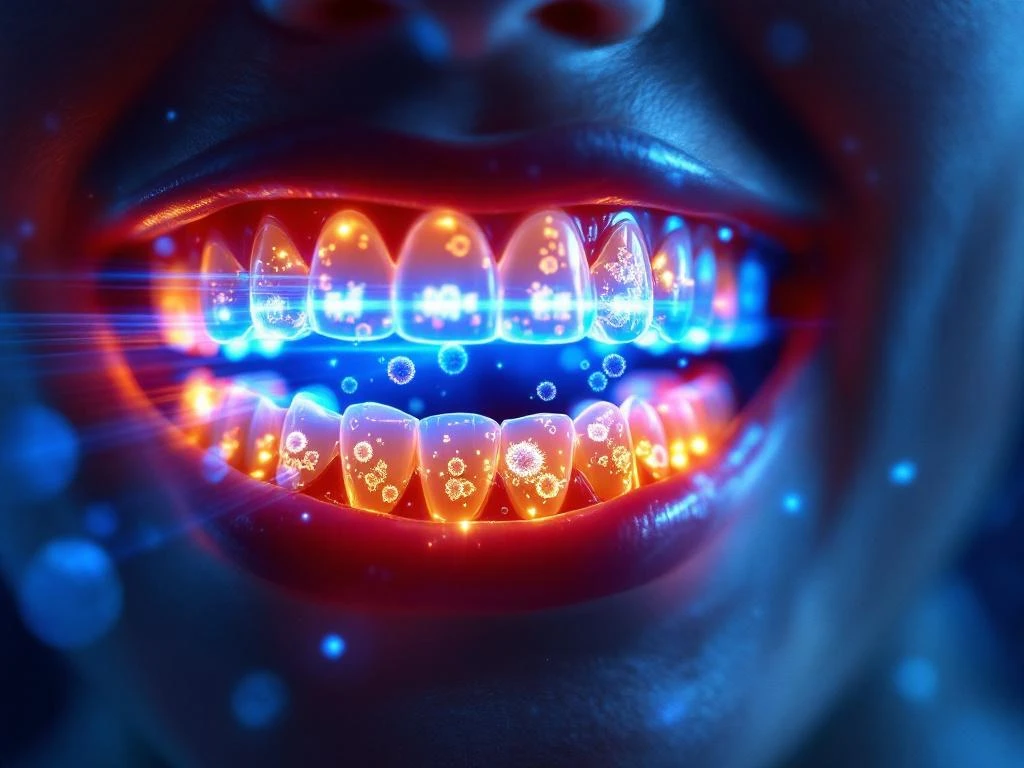
Hidden bacterial biofilms in your mouth resist traditional cleaning methods, but advanced light therapy offers a scientific solution. Lumoral’s dual-wavelength technology combines 810nm near-infrared and 405nm blue light to target these resilient bacterial communities through four distinct mechanisms: photobiomodulation for cellular healing, photothermal effects that break down biofilm architecture, photodynamic therapy generating reactive oxygen species, and blue light activation of natural bacterial photosensitizers. This comprehensive approach addresses both microbial infections and inflammatory responses, creating targeted antimicrobial effects without bacterial resistance while supporting tissue regeneration and enhanced gum disease prevention.
Is Lumoral legit?
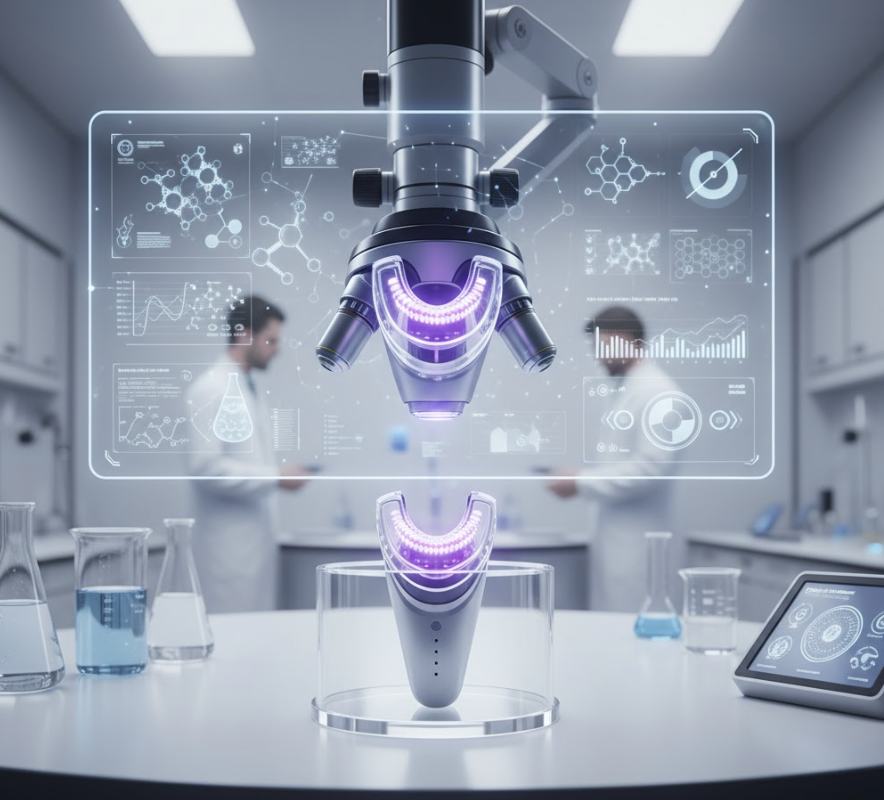
Lumoral is a legitimate, CE-marked medical device developed by Finnish health-tech company Koite Health with backing from Helsinki University and Karolinska Institute researchers. This dual-light oral health system uses clinically proven photodynamic therapy, combining 405nm blue light with 810nm near-infrared light to selectively target harmful plaque bacteria while preserving beneficial oral microflora. Clinical studies, including the comprehensive HOPE-CP trial, demonstrate significant improvements in bleeding on probing and gum health. Unlike traditional antiseptics that disrupt your mouth’s natural ecosystem, Lumoral’s targeted approach reduces harmful bacteria without affecting beneficial microflora, making it a scientifically validated solution for preventive oral care.
Pocket depths revealed: how gum disease creates hidden bacterial sanctuaries in your mouth

Deep within your gums, bacterial colonies establish fortified sanctuaries called periodontal pockets that conventional brushing and flossing cannot reach. These hidden environments, measuring 4-7+ millimeters deep, harbor dangerous anaerobic bacteria protected by sophisticated biofilm barriers. Research shows even the best toothbrushes remove only 65% of plaque, leaving pathogenic species like Porphyromonas gingivalis to thrive in oxygen-depleted depths. Advanced photodynamic therapy now offers targeted solutions, using light-activated compounds to penetrate biofilm matrices and eliminate bacterial colonies with precision while preserving beneficial oral flora.
Why does my breath smell so bad? Discover the real causes of persistent bad breath
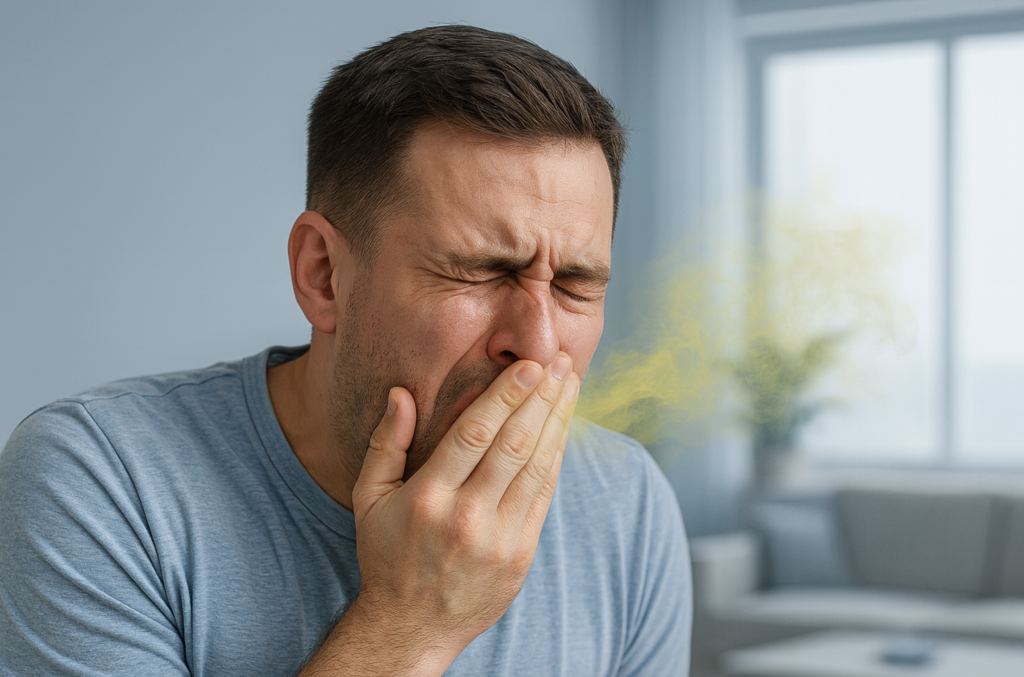
Bad breath isn’t just about food particles – it’s caused by anaerobic bacteria producing sulfur compounds in hidden areas of your mouth that regular brushing can’t reach. Even with daily oral hygiene, these bacterial colonies thrive in tongue crevices, gum pockets, and between teeth, continuously releasing unpleasant odors. Understanding the science behind halitosis reveals why conventional approaches often fail and points to more effective solutions. From bacterial biofilms to underlying health conditions like gum disease and diabetes, persistent bad breath requires targeted treatment strategies. Discover the real culprits behind chronic halitosis and evidence-based methods that actually work to eliminate stubborn breath odors for good.
What is the number one rated electric toothbrush in UAE: Is brushing enough?
The Oral-B Pro 2 2000 consistently earns top ratings from Wirecutter, Telegraph, and consumer reviews for its superior clinical effectiveness and value. However, even the best electric toothbrushes remove only 65% of harmful plaque bacteria, leaving significant biofilm that contributes to gum disease. This comprehensive guide reveals which models dominate expert recommendations and explores revolutionary photodynamic therapy technologies that eliminate over 99.99% of bacteria traditional brushing cannot reach, offering a new paradigm for complete oral health beyond mechanical cleaning alone.
Collagen connection: understanding how gum tissue regeneration really works at the cellular level (advanced)

Ever wondered why some gums heal beautifully after treatment while others struggle? The secret lies in cellular collagen production and tissue regeneration mechanisms. Fibroblasts, periodontal ligament cells, and matrix metalloproteinases orchestrate an intricate healing dance at the molecular level. Understanding how growth factors trigger collagen synthesis, why inflammation control accelerates recovery, and how modern light-activated treatments support natural healing processes can transform your gum disease prevention strategy. This comprehensive guide reveals the fascinating cellular choreography that determines whether periodontal regeneration succeeds or fails, empowering you to make informed decisions about optimizing your oral health outcomes.
Should you use specialized oral health products in 2025?
Advanced oral health technologies in 2025 are transforming dental care through photodynamic therapy and dual-light systems that eliminate up to 99.998% of harmful plaque bacteria. Unlike traditional brushing that removes only 65% of plaque, these specialized products use targeted light wavelengths with photosensitive compounds to precisely eliminate pathogenic bacteria while preserving beneficial oral microflora. This precision approach addresses the root causes of gum disease and supports overall health, making specialized oral care increasingly essential for preventing serious conditions linked to oral bacteria and systemic inflammation.
What is Photodynamic therapy?
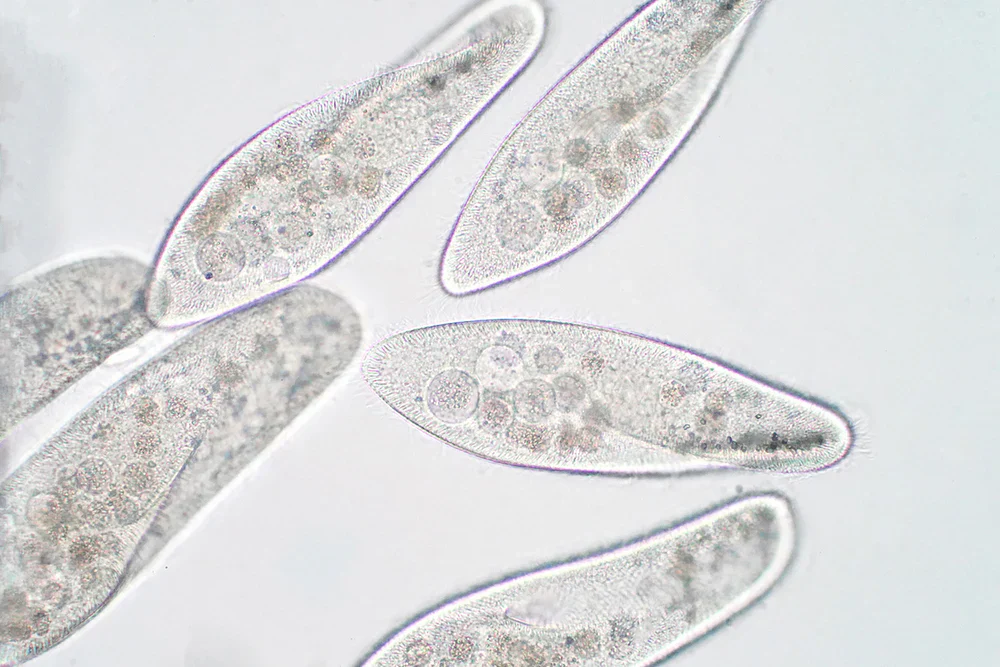
Photodynamic therapy (PDT) was discovered by accident in 1900 by a medical student, Oscar Raab, in Munich. He was studying common freshwater bugs, paramecium, and noted that the organic compound acridine orange somehow sensitized the cells to light. effect is based on light activation of photosensitizing molecules, usually dyes, which cause a chain reaction that releases […]
World Health Day highlights the need for oral health-related knowledge of health professionals
The link between oral and general health is widely understood, but is this reflected in Finland’s health care system and people’s oral health? To mark World Health Day, Jukka Meurman, Professor Emeritus of Oral Infectious Diseases, and Tommi Pätilä, cardiac and transplant surgeon at the New Children’s Hospital of HUS, reflect on the issue from […]

