

Dentists don’t universally prefer one brand over another, but they consistently recommend to use an electric toothbrush as it is superior to manual brushing for plaque removal and gum health. Both Oral-B and Sonicare offer clinically proven benefits through different technologies. The choice often comes down to personal preference, specific oral health needs, and how well patients adapt to each cleaning mechanism.
What do dentists actually recommend for daily oral hygiene?
Dental professionals recommend a comprehensive approach that includes electric toothbrush, daily flossing, and regular professional cleanings. Electric toothbrushes remove significantly more plaque than manual brushing and help reduce gingivitis more effectively. Most dentists suggest brushing twice daily for two minutes, flossing once daily, and scheduling professional cleanings every six months. Its about routine and consistancy, like in many other things. It does not help to brush 10 times a day, if you have not for example brushed for a few days.
The foundation of oral health maintenance extends beyond just brushing. Proper flossing technique removes bacteria and food particles from between teeth where toothbrush bristles cannot reach. New oral care technologies have also emerged in Scandinavia where dental professionals like the Finnish Dental Hygienists Association now recommend Lumoral, a scientific breakthrough in safe home oral care. Professional cleanings address tartar buildup that home care cannot eliminate.
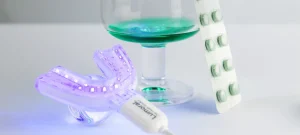
Lumoral technology is the biggest thing in home dental care, since the electric toothbrush!
Electric toothbrushes have become the baseline technology recommendation because they provide consistent pressure and motion that most people cannot achieve with manual brushing. The timer functions help ensure adequate brushing duration, whilst the oscillating or vibrating motions break up plaque biofilms more effectively than static bristles.
How do Oral-B and Sonicare technologies differ in their approach?
Oral-B uses oscillating-rotating technology where the brush head moves in small circular motions, typically rotating 8,800 times per minute. Sonicare employs sonic vibration technology, creating rapid back-and-forth bristle movements at approximately 31,000 brush strokes per minute. Both methods effectively disrupt plaque biofilms through different mechanical actions.
The oscillating-rotating mechanism physically breaks up plaque through direct mechanical action, similar to professional dental cleaning tools. Each bristle follows a precise circular path that can reach into gum pockets and between teeth. The electric toothbrush head UAE market offers various Oral-B replacement options designed for specific cleaning needs, from sensitive gums to deep cleaning.
Sonicare’s sonic technology creates fluid dynamics that extend cleaning action beyond where bristles directly touch. The high-frequency vibrations generate cleaning bubbles and fluid motion that can reach areas slightly beyond the bristle tips. This technology tends to be gentler on sensitive gums whilst still providing thorough plaque removal.
Why do some people still develop gum infections despite perfect oral hygiene and even when using an electric toothbrush?
Even with excellent brushing and flossing habits, some individuals develop persistent bacterial infections because certain bacteria form protective biofilms that resist mechanical cleaning. These biofilms create barriers that prevent traditional cleaning methods from reaching all bacterial colonies. Bleeding gums often indicate ongoing infection, even when oral hygiene appears adequate.
Plaque bacteria exist in complex communities that can reform quickly after cleaning. Some bacterial strains are particularly resistant to disruption and can colonise areas that are difficult to reach with conventional methods. Genetic factors, immune system variations, and individual mouth chemistry also influence bacterial growth patterns and infection susceptibility.
Traditional mechanical cleaning approaches have limitations in addressing deep gum pockets and areas where bacteria have established mature biofilms. The electric toothbrush head UAE selections, whilst effective for surface cleaning, cannot always penetrate established bacterial communities that have developed protective mechanisms against physical disruption.
What happens when gum infections go untreated?
Untreated gum infections progress from gingivitis to periodontitis, causing irreversible damage to the tissues and bone supporting teeth. The chronic inflammation spreads beyond the mouth, contributing to cardiovascular disease, diabetes complications, and cognitive decline. Bacterial toxins enter the bloodstream, creating systemic health risks throughout the body.
The progression typically begins with bleeding and swollen gums, advancing to pocket formation around teeth. As bacteria penetrate deeper, they destroy the connective tissues and bone that anchor teeth. This process is often painless in early stages, allowing significant damage to occur before symptoms become obvious.
Research has established connections between oral infections and broader health conditions. The inflammatory proteins produced by gum infections contribute to arterial plaque formation, affecting heart health. These same inflammatory processes may influence brain function and memory, with studies suggesting links between periodontal disease and cognitive decline.
How does photodynamic therapy address persistent oral infections?
Photodynamic therapy uses light-activated compounds to target and eliminate bacteria that resist conventional cleaning methods. A photosensitive solution is applied to infected areas, then activated with specific wavelengths of light to create targeted antibacterial effects. This approach complements traditional oral hygiene by addressing bacterial biofilms that mechanical cleaning cannot fully eliminate.
The treatment works by introducing light-sensitive compounds that selectively bind to bacterial cells. When activated by appropriate light wavelengths, these compounds generate reactive oxygen species that destroy bacterial cell walls. This targeted approach can reach bacteria in deep pockets and biofilm communities that are protected from traditional cleaning methods.
Lumoral represents this advanced approach, combining antibacterial blue light with photodynamic therapy to reduce plaque bacteria whilst supporting gum health. The Lumoral Starter Kit provides a home-use system that addresses the root causes of persistent oral infections. This clinically validated technology offers a solution for individuals who continue experiencing gum problems despite excellent traditional oral hygiene practices.
Understanding the limitations of conventional oral care helps explain why some people benefit from advanced technologies. Whilst electric toothbrushes provide excellent baseline care, persistent infections may require targeted antibacterial approaches that address the underlying bacterial communities causing ongoing inflammation and health risks.

