
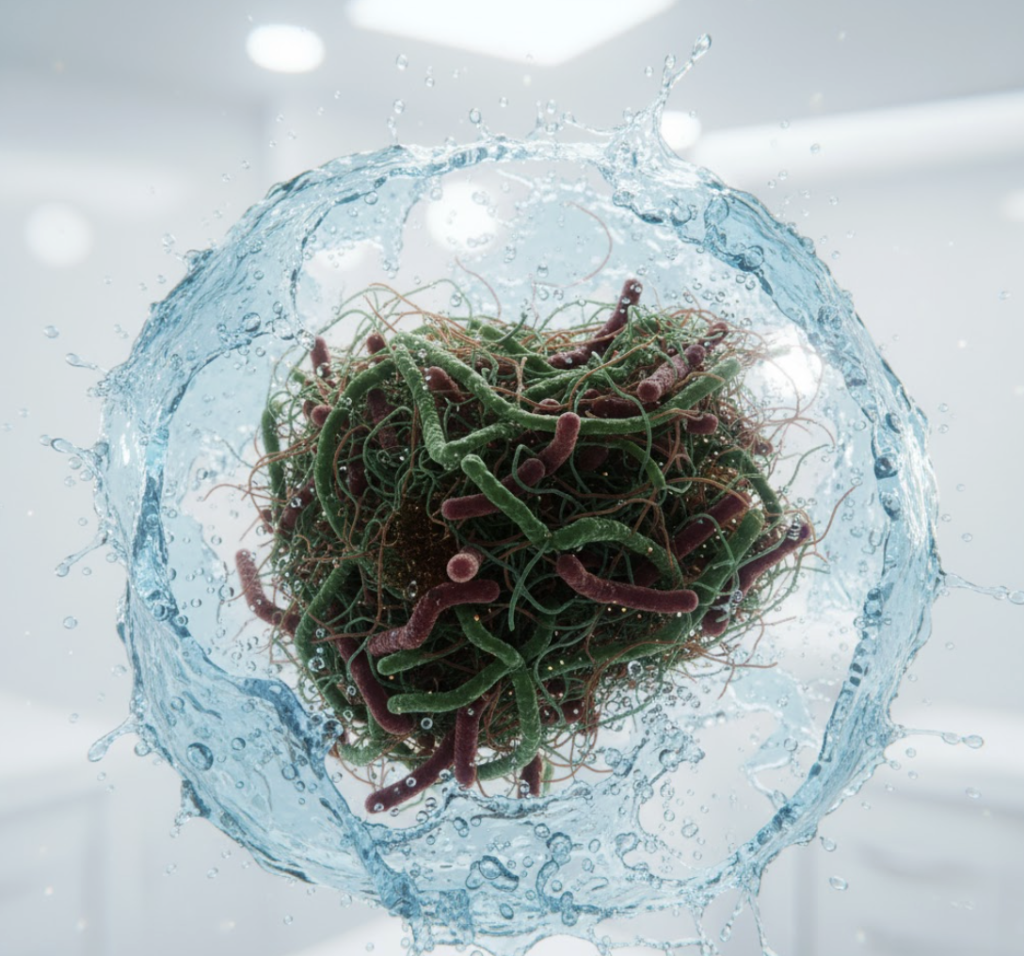
Mouthwash cannot replace brushing your teeth. While mouthwash provides valuable antibacterial benefits and reaches areas brushing might miss, it lacks the mechanical action needed to physically remove plaque biofilms from tooth surfaces. Brushing remains essential for disrupting bacterial colonies that stick to teeth, whilst mouthwash serves as a powerful short term solution to enhance your oral hygiene routine and target bacteria in hard-to-reach areas. It is important to be very precise, since some mouthwashes, particularly when used long term, may alter the natural balance of oral flora. The best home care oral routine is brushing, flossing and for the biohackers and health enthusiasts out there: photodynamic therapy, which offers a new tech as an adjunct approach to supporting oral health: like Lumoral.
Can mouthwash actually replace brushing your teeth?
No, as of 2025 mouthwash cannot replace brushing your teeth because it lacks the mechanical action necessary to physically disrupt plaque biofilms. Plaque bacteria form sticky colonies that adhere firmly to tooth surfaces, requiring the physical scrubbing action of a toothbrush to remove effectively. Mouthwash works chemically to kill bacteria and freshen breath, but cannot break apart the protective biofilm matrix that shields harmful bacteria.
The mechanical disruption provided by brushing is crucial for preventing gum inflammation and maintaining healthy teeth. When plaque bacteria accumulate without physical removal, they release toxins that irritate gum tissue and can lead to gingivitis and periodontitis. Antibacterial mouthwashes may have limited ability to penetrate mautre biofilms compared with mechanical disruption.
However, mouthwash plays an important complementary role in oral care. It reaches spaces between teeth and along the gum line where toothbrush bristles cannot access completely. Quality mouthwashes also provide sustained antibacterial action after brushing, helping to control bacterial regrowth throughout the day.
What does mouthwash do that brushing doesn’t?
Mouthwash reaches areas that brushing cannot access, including deep gum pockets, spaces between teeth, and the back of the tongue. It provides sustained antibacterial action that continues working after you’ve finished your oral care routine, helping to control bacterial regrowth and maintain fresher breath throughout the day.
Advanced mouthwashes contain specific ingredients that target different oral health concerns. Fluoride rinses help strengthen tooth enamel and prevent decay in areas difficult to reach with a toothbrush. Antimicrobial ingredients like chlorhexidine or cetylpyridinium chloride specifically target harmful bacteria that cause gum disease and bad breath.
Mouthwash also helps neutralise acids produced by bacteria, creating a more balanced oral environment. This is particularly beneficial after meals when bacterial activity increases. Some therapeutic mouthwashes can help reduce inflammation in gum tissue and support the healing process for those with existing gum disease.
Why do dentists still recommend brushing over mouthwash?
Dental professionals emphasise brushing because biofilm disruption requires physical force that only mechanical cleaning can provide. Plaque bacteria create protective matrices that shield them from chemical agents, making physical removal essential for preventing oral disease. Without brushing, these bacterial colonies continue growing and producing harmful toxins regardless of mouthwash use.
Research shows that bacteria within biofilms can be more tolerant to antimicrobial agents. Brushing breaks apart these structures, making bacteria vulnerable and easier to remove. This mechanical action also stimulates healthy blood flow to gum tissue, supporting natural healing processes.
Dentists understand that prevention requires both mechanical and chemical approaches working together. While mouthwash provides excellent supplementary benefits, relying solely on chemical cleaning allows plaque accumulation that leads to cavities, gum disease, and other oral health problems that connect to systemic health issues.
What happens if you only use mouthwash without brushing?
Using only mouthwash without brushing leads to progressive plaque buildup, gum inflammation, and eventual tooth decay. The protective biofilms that bacteria create become thicker and more resistant over time, allowing harmful bacteria to thrive despite regular mouthwash use. This results in persistent bad breath, bleeding gums, and increased risk of serious oral health problems.
Without mechanical plaque removal, bacteria continue producing acids that erode tooth enamel and toxins that inflame gum tissue. The initial signs include persistent bad breath, yellow or brown staining on teeth, and gums that bleed easily. As plaque hardens into tartar, it becomes impossible to remove without professional dental cleaning.
Over time, inadequate plaque control may increase the risk of; cavities, gum recession, tooth loss, and potential connections to cardiovascular disease, diabetes complications, and memory issues. The mouth serves as a gateway to overall health, making proper plaque control essential for both oral and systemic wellbeing.
How can advanced mouthwash technologies enhance your oral care routine?
Advanced oral care systems can support gum health and may be the missing part in home oral care, when combined with proper brushing and flossing. These innovative systems use light-activated ingredients to target harmful bacteria more precisely while supporting healthy gum tissue.
Light-activated oral care systems work by using special mouth rinses containing photosensitive compounds that selectively bind to plaque bacteria. When activated by specific wavelengths of light, these compounds create targeted antibacterial effects without disrupting beneficial oral microflora as extensively as broad-spectrum antiseptics.
These technologies are particularly valuable for those seeking comprehensive prevention at home. Advanced oral care systems can support gum health while helping prevent periodontitis, bad breath, and tooth decay. Oral health has been associated with broader systemic wellbeing, including cardiovascular disease and cognitive health.
For residents wondering where to buy Lumoral Dubai, these advanced oral care technologies are available through authorised distributors who can provide guidance on integrating photodynamic therapy into existing oral hygiene routines. The key is understanding that even the most advanced mouthwash technologies work best alongside proper brushing and professional dental care.
Effective oral health requires both mechanical plaque removal through brushing and chemical enhancement through quality mouthwash. While traditional mouthwashes provide valuable benefits, advanced technologies offer new possibilities for comprehensive bacterial control and gum health support. The most successful approach combines proven mechanical cleaning with innovative antimicrobial technologies for optimal oral and systemic health outcomes.

