
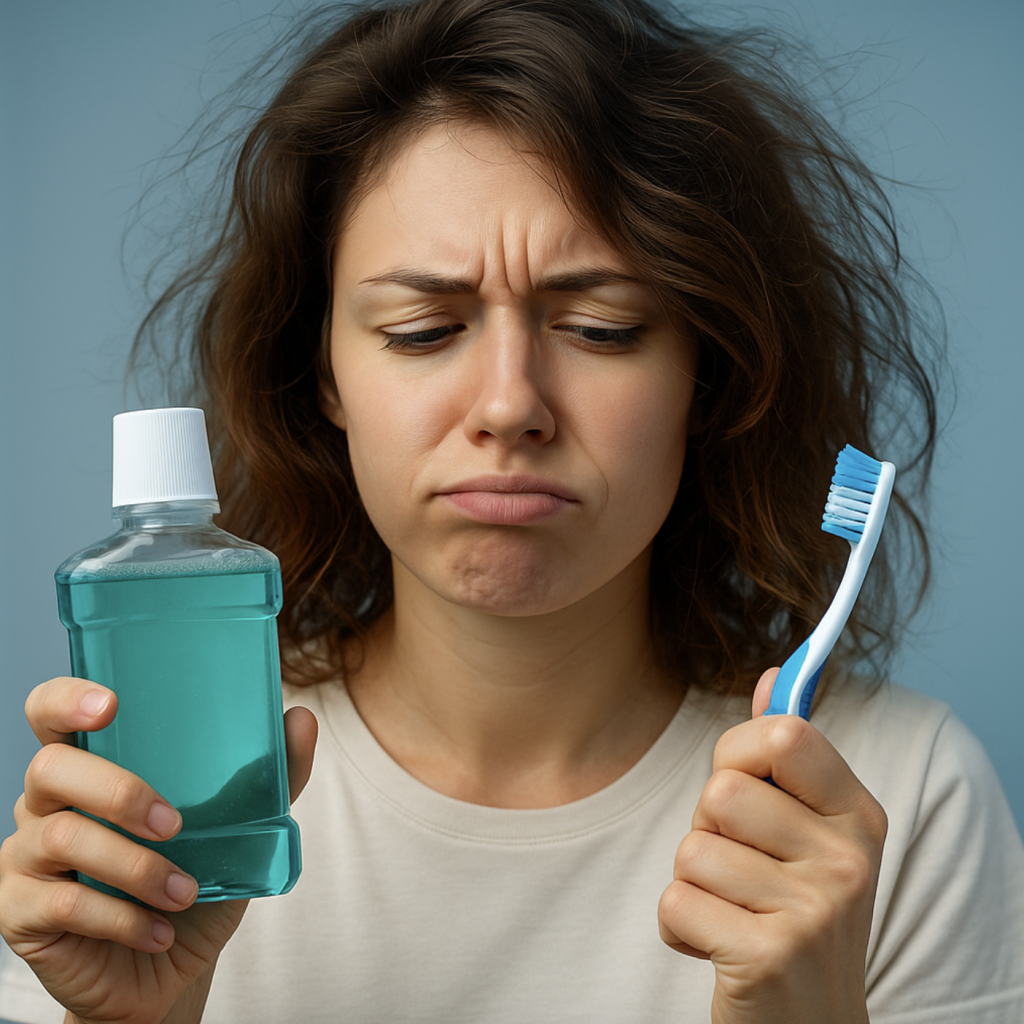
If you’ve been battling bad breath for months or years, you’ve likely tried everything: alcohol-based mouthwashes, sugar-free mints, antibacterial sprays, and even prescription rinses. Yet here you are, still dealing with that embarrassing odour that seems to return within hours of your most diligent oral care routine. What if the very products you’re using to combat halitosis are actually making the problem worse?

This paradox affects millions of people who unknowingly perpetuate a cycle of bacterial imbalance in their mouths. Understanding why traditional breath remedies often backfire—and discovering science-based alternatives that target the root cause—can finally break this frustrating pattern and restore lasting oral freshness.
What causes bad breath at the bacterial level?
Bad breath originates from volatile sulfur compounds (VSCs)—gases produced when anaerobic bacteria break down proteins in your mouth. These bacteria thrive in oxygen-poor environments like the deep crypts of your tongue, spaces between teeth, and gum pockets where traditional cleaning methods struggle to reach.
The primary culprits are bacteria such as Porphyromonas gingivalis and Fusobacterium nucleatum, which form complex communities called biofilms. These microscopic bacterial cities create their own protective environment, making them remarkably resistant to conventional antimicrobial approaches. When your oral microbiome becomes imbalanced—a condition known as dysbiosis—harmful bacteria outnumber beneficial ones, leading to persistent halitosis that mechanical cleaning alone cannot resolve.
Even after thorough brushing, significant bacterial masses remain attached to tongue surfaces and within gum pockets, continuing to produce those telltale sulfur compounds that cause embarrassing odour.
Why alcohol mouthwash creates a vicious cycle
Alcohol-based mouthwashes promise instant freshness, but they create conditions that worsen bacterial imbalance over time. Alcohol dries oral tissues and reduces saliva production—your mouth’s natural defence system against harmful bacteria.
Saliva contains essential enzymes and antibodies that maintain healthy bacterial balance. When alcohol disrupts this delicate ecosystem, it eliminates both harmful and beneficial bacteria indiscriminately. The problem occurs during bacterial regrowth: harmful anaerobic bacteria often repopulate faster than beneficial species, leading to worse odour than before treatment.
The longer harmful bacteria stay in your mouth through repeated alcohol mouthwash use, the more damage they can do to your oral bacterial balance and overall gum health.
Additionally, alcohol causes mucosal irritation, creating tiny wounds where bacteria can establish deeper infections. This explains why many people find their bad breath returns more intensely after regular alcohol mouthwash use.
How traditional breath products feed the problem
Mints, breath sprays, and flavoured oral products contain sugars and chemical compounds that actually nourish the very bacteria causing your halitosis. Even “sugar-free” products often contain artificial sweeteners and flavouring agents that harmful bacteria can metabolise.
These products work by masking symptoms rather than addressing root causes. The temporary fresh sensation convinces users they’ve solved the problem, while bacterial populations continue growing undisturbed. Some commercial breath products also contain harsh chemicals that disrupt beneficial bacterial species, creating space for more aggressive odour-producing strains to flourish.
This masking approach perpetuates the cycle: you experience temporary relief, bacterial imbalance worsens, odour returns stronger, and you reach for more products—never addressing the underlying biofilm communities producing volatile sulfur compounds.
Understanding biofilm as the real culprit
Bacterial biofilm represents the true challenge in treating persistent halitosis. These sophisticated microbial communities create protective matrices that shield bacteria from traditional antimicrobial approaches, including alcohol-based rinses and antibacterial toothpastes.
Even the most thorough mechanical cleaning reaches only approximately 65% of oral surfaces, leaving biofilm communities intact in hard-to-reach areas. Within these protected environments, bacteria communicate through chemical signals, share nutrients, and coordinate their metabolic activities—including the production of volatile sulfur compounds.
The biofilm structure explains why bad breath often returns so quickly after conventional oral care. Until these bacterial communities are disrupted at their foundation, surface-level treatments will continue to provide only temporary relief.
Apply light-based therapy to target bacteria selectively
Advanced photodynamic therapy offers a scientifically validated approach to targeting bacterial biofilms without disrupting beneficial oral microflora. This method uses dual-wavelength light therapy: 405nm blue light for direct bacterial inactivation and 810nm near-infrared light for tissue support and healing.
The process involves a light-sensitive compound that selectively binds to harmful bacterial plaque. When activated by specific wavelengths, this creates localised antibacterial effects that eliminate odour-producing bacteria with microscopic precision. Unlike broad-spectrum antiseptics, this targeted approach preserves beneficial bacterial species essential for oral health.
Clinical studies demonstrate that light-activated therapy can eliminate up to 99.998% of harmful plaque bacteria while supporting healthy oral bacterial diversity. The Lumoral Starter Kit represents this breakthrough technology, combining dual-light therapy with a specialised mouth rinse for comprehensive biofilm management.
Build a sustainable oral health routine
Creating lasting freedom from bad breath requires integrating evidence-based practices that maintain long-term bacterial balance. A comprehensive routine should include light-activated therapy protocols 2-3 times weekly, proper hydration to support natural saliva production, and strategic timing of mechanical cleaning techniques.
Begin with thorough biofilm disruption using photodynamic therapy, follow with mechanical cleaning to remove loosened bacterial debris, and maintain optimal oral moisture levels throughout the day. This approach addresses both immediate bacterial populations and the underlying conditions that allow harmful biofilms to re-establish.
Regular professional monitoring ensures your routine remains effective as your oral microbiome stabilises. The goal isn’t sterile elimination of all bacteria, but rather restoration of healthy bacterial balance that naturally prevents volatile sulfur compound production.
Breaking free from the bad breath paradox requires understanding that traditional remedies often worsen the underlying bacterial imbalance causing halitosis. By targeting biofilm communities with selective, science-based approaches rather than harsh, broad-spectrum products, you can achieve the lasting oral freshness that has remained elusive. The key lies not in masking symptoms, but in restoring the healthy bacterial ecosystem that naturally maintains fresh breath and optimal oral health.
Discover more about evidence-based oral care solutions at Lumoral’s comprehensive oral health platform, where cutting-edge Finnish innovation meets practical home care for lasting results.

