
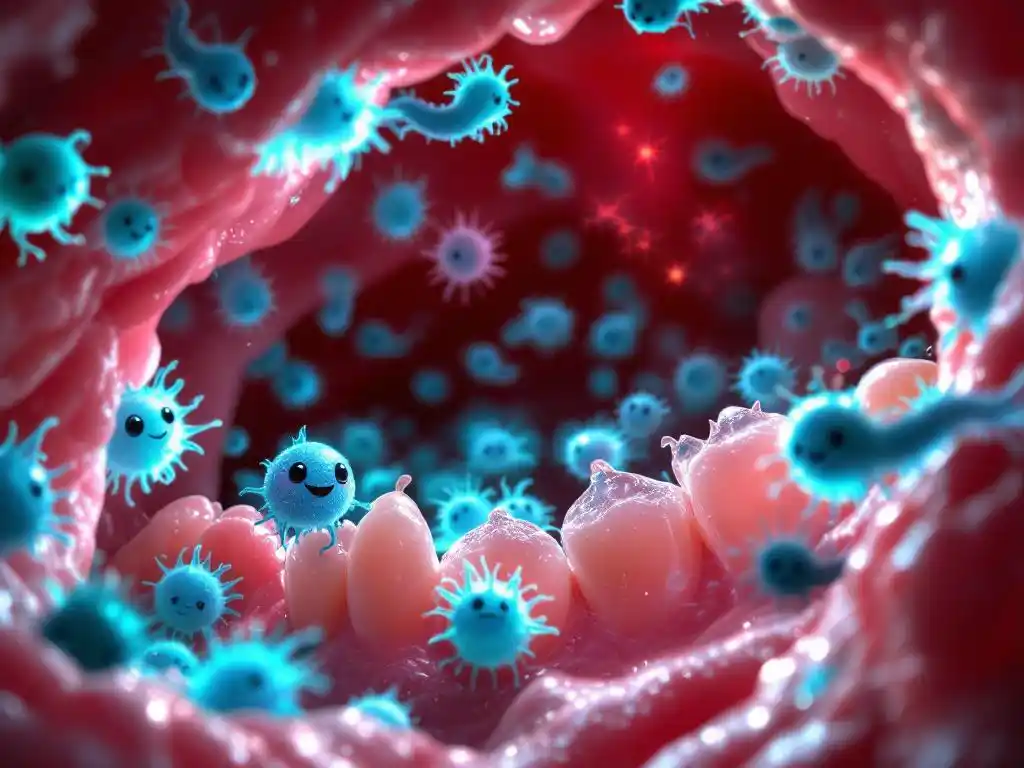
Imagine your mouth as a bustling metropolis where trillions of microscopic residents work around the clock to maintain order and protect against invaders. This complex ecosystem, known as the oral microbiome, operates as your body’s first line of defense against disease-causing microorganisms. Yet many healthcare professionals underestimate the sophisticated mechanisms by which beneficial bacteria orchestrate this protection, often viewing oral health through the narrow lens of pathogen elimination rather than ecosystem balance.
The relationship between beneficial and harmful bacteria in your mouth resembles a delicate dance of survival, where beneficial microorganisms employ remarkable strategies to maintain territorial control. Understanding these dynamics becomes crucial as we recognize that oral health extends far beyond the mouth itself—research indicates clear links between gum disease and serious conditions including cardiovascular disease, diabetes, and Alzheimer’s disease. When this bacterial balance tips towards pathogenic dominance, the consequences ripple throughout the entire body.
Modern therapeutic approaches increasingly focus on preserving beneficial bacterial populations while selectively targeting harmful ones. Innovative dental technology now enables precise bacterial management that supports rather than disrupts the natural protective mechanisms of your oral microbiome. This shift represents a fundamental evolution in how we approach oral health—from broad-spectrum destruction to targeted, ecosystem-conscious care.
What is the oral microbiome ecosystem?
The oral microbiome encompasses over 700 distinct bacterial species that inhabit various niches within your mouth, from tooth surfaces to the tongue’s crevices and gum pockets. This bacterial diversity rivals that of your gut microbiome, creating one of the most complex microbial communities in the human body. Each anatomical site—teeth, gums, tongue, cheeks, and throat—hosts specific bacterial populations adapted to local environmental conditions.
These microbial communities organize themselves into sophisticated three-dimensional structures called biofilms, where bacteria communicate through chemical signals and coordinate their activities. Within these biofilms, beneficial bacteria establish protective territories while sharing resources and information about potential threats. The composition of these communities changes throughout your lifetime, influenced by factors ranging from diet and oral hygiene practices to systemic health conditions and medications.
Research shows that maintaining a healthy balance of oral bacteria is essential for overall health, comparable in importance to getting sufficient sleep.
Understanding the oral microbiome requires recognizing that bacterial diversity itself serves as a protective mechanism. Healthy mouths typically harbor a rich variety of commensal bacteria that compete for resources and space, preventing any single pathogenic species from establishing dominance. This principle of competitive exclusion forms the foundation of natural oral defense systems.
How beneficial bacteria establish protective barriers
Beneficial oral bacteria employ multiple sophisticated mechanisms to create protective barriers against pathogenic invasion. The most fundamental strategy involves competitive exclusion, where commensal bacteria occupy available binding sites on tooth surfaces and soft tissues, physically preventing harmful microorganisms from establishing footholds. This territorial behavior extends to resource competition, as beneficial bacteria consume nutrients that pathogens require for growth and reproduction.
Chemical warfare represents another crucial defensive strategy. Many beneficial bacteria produce antimicrobial compounds called bacteriocins that specifically target pathogenic species while sparing other beneficial microorganisms. These natural antibiotics create localized zones of protection around bacterial colonies, effectively establishing chemical boundaries that pathogens struggle to cross.
pH regulation serves as a particularly elegant protective mechanism. Beneficial bacteria help maintain optimal pH levels in different oral environments, creating conditions that favor their own growth while inhibiting acid-producing pathogens responsible for tooth decay. This buffering capacity becomes especially important in managing the pH fluctuations that occur after eating, when harmful bacteria attempt to exploit the temporary acidic conditions.
The formation of protective biofilm matrices also plays a vital role in bacterial defense. Beneficial bacteria contribute to stable, well-organized biofilm structures that resist disruption by pathogenic invaders. These mature biofilms create physical barriers and establish efficient nutrient distribution networks that support beneficial bacterial populations while excluding harmful species.
Why microbiome balance determines oral health outcomes
The concept of microbial homeostasis lies at the heart of oral health maintenance. When beneficial bacteria maintain numerical and functional dominance, they create an environment that naturally suppresses pathogenic activity. This balance operates through multiple interconnected mechanisms that collectively determine whether your mouth remains healthy or develops disease.
Bacterial diversity serves as a critical indicator of ecosystem stability. Healthy oral microbiomes display rich species diversity with no single bacterial type dominating the community. This diversity provides resilience against environmental perturbations and pathogenic challenges, as multiple beneficial species can compensate if one population becomes compromised.
The shift from health to disease typically involves a process called dysbiosis, where the bacterial community composition changes in ways that favor pathogenic species. This transformation does not happen overnight but occurs through gradual shifts in bacterial populations that eventually reach a tipping point where pathogenic bacteria gain sufficient numbers and virulence to overcome protective mechanisms.
| Healthy Microbiome | Dysbiotic Microbiome |
|---|---|
| High bacterial diversity | Reduced bacterial diversity |
| Stable pH buffering | pH instability and acidification |
| Effective competitive exclusion | Pathogenic colonization |
| Anti-inflammatory signaling | Pro-inflammatory responses |
Immune system interactions also play crucial roles in determining oral health outcomes. Beneficial bacteria help educate and calibrate immune responses, promoting appropriate inflammatory reactions that clear threats without causing excessive tissue damage. When this bacterial-immune dialogue becomes disrupted, chronic inflammation can develop even in the presence of relatively minor bacterial challenges.
Understanding pathogenic bacterial invasion strategies
Pathogenic bacteria have evolved sophisticated strategies to overcome the protective barriers established by beneficial microorganisms. These invasion tactics often begin with adhesion mechanisms that allow pathogens to attach to oral surfaces despite competitive pressure from established bacterial communities. Many pathogenic species produce specialized adhesins—protein structures that bind specifically to receptors on teeth, gums, or other bacteria.
Biofilm disruption represents another key pathogenic strategy. Harmful bacteria produce enzymes and other compounds that can break down the protective matrices created by beneficial bacterial communities. This destructive activity creates opportunities for pathogenic colonization while simultaneously weakening the structural integrity of protective biofilms.
Environmental manipulation allows pathogenic bacteria to create conditions that favor their own growth while disadvantaging beneficial species. For example, certain pathogenic bacteria produce acids that lower local pH levels, creating environments where acid-tolerant pathogens thrive while pH-sensitive beneficial bacteria struggle to survive. This strategy proves particularly effective in initiating tooth decay processes.
Some pathogenic bacteria employ virulence factor expression that enables them to directly damage host tissues and beneficial bacterial competitors. These factors include toxins that kill competing bacteria, enzymes that break down tissue barriers, and immune evasion mechanisms that prevent effective host responses to bacterial invasion.
How dysbiosis leads to periodontal disease progression
The progression from healthy gums to periodontal disease illustrates how microbiome imbalances translate into clinical pathology. This process typically begins with subtle shifts in bacterial composition that gradually amplify into significant ecosystem disruption. Understanding this progression helps explain why early intervention proves so much more effective than treating advanced periodontal disease.
Initial dysbiosis often manifests as increased numbers of gram-negative bacteria that produce inflammatory compounds. These bacteria trigger immune responses that cause the characteristic signs of gingivitis—bleeding, swelling, and redness of the gums. At this stage, the bacterial imbalance remains relatively superficial and potentially reversible through appropriate intervention.
As dysbiosis progresses, pathogenic bacteria begin forming deeper, more organized communities in gum pockets. These anaerobic environments favor particularly harmful bacterial species that produce tissue-destroying enzymes and toxins. The resulting inflammation becomes chronic and begins affecting the deeper structures that support teeth, including the periodontal ligament and alveolar bone.
Advanced periodontal disease represents a state of severe microbiome disruption where pathogenic bacteria have essentially taken control of the oral ecosystem. At this stage, beneficial bacteria become marginalized, and the inflammatory processes become self-perpetuating. The bacterial communities associated with advanced periodontitis differ dramatically from those found in healthy mouths, both in composition and functional capacity.
Research indicates that at least 70% of people live with ongoing gum infections, and these infections do not stay localized—bacteria can enter the bloodstream and spread throughout the body.
Which factors disrupt beneficial bacterial populations?
Multiple environmental and lifestyle factors can disrupt the delicate balance of beneficial bacterial populations in your mouth. Antibiotic therapy represents one of the most significant disruptors, as broad-spectrum antibiotics eliminate both harmful and beneficial bacteria indiscriminately. This disruption can persist for weeks or months after antibiotic treatment ends, creating windows of vulnerability for pathogenic colonization.
Dietary factors profoundly influence oral microbiome composition. Frequent consumption of refined sugars and processed carbohydrates provides abundant fuel for acid-producing bacteria while offering little nutritional support for beneficial species. Conversely, diets rich in diverse plant fibers and natural compounds support beneficial bacterial growth and diversity.
Oral hygiene practices, while essential for health, can inadvertently disrupt beneficial bacterial populations when applied inappropriately. Overly aggressive mechanical cleaning or frequent use of broad-spectrum antimicrobial mouthwashes can reduce beneficial bacterial numbers along with pathogenic species. The alcohol content in many mouthwashes has been linked to oral tissue damage and microbiome disruption.
Systemic health conditions also impact oral microbiome balance. Diabetes, immune system disorders, and hormonal changes can all create environments that favor pathogenic bacteria over beneficial species. Medications for various conditions, particularly those that reduce saliva production, can significantly alter the oral environment and bacterial composition.
Stress and sleep deprivation affect oral microbiome health through multiple pathways, including immune system suppression and changes in saliva composition. These factors can reduce the effectiveness of natural protective mechanisms and create opportunities for pathogenic bacterial overgrowth.
Evaluate modern therapeutic approaches to microbiome restoration
Contemporary approaches to oral microbiome restoration focus on the selective targeting of pathogenic bacteria while preserving or enhancing beneficial bacterial populations. This represents a significant departure from traditional broad-spectrum antimicrobial strategies that often caused collateral damage to healthy bacterial communities.
Photodynamic therapy has emerged as a particularly promising approach for selective bacterial targeting. This technology uses light-activated compounds to generate reactive oxygen species that eliminate harmful bacteria with remarkable precision. Unlike traditional antimicrobials, photodynamic therapy can be designed to target specific bacterial species or biofilm structures while minimizing impact on beneficial microorganisms.
Probiotic interventions aim to directly supplement beneficial bacterial populations in the oral cavity. These approaches typically involve introducing specific strains of beneficial bacteria that can compete with pathogenic species and restore healthy microbiome balance. However, the success of oral probiotics depends heavily on the ability of introduced bacteria to establish stable populations in the existing oral ecosystem.
Prebiotic strategies focus on providing nutrients and environmental conditions that selectively favor beneficial bacterial growth. These approaches recognize that supporting existing beneficial populations often proves more effective than attempting to introduce new bacterial species into established ecosystems.
Combination therapies that integrate multiple restoration approaches show particular promise. For example, combining selective antimicrobial treatment with probiotic supplementation and environmental modification can address different aspects of microbiome disruption simultaneously, potentially achieving more comprehensive and durable restoration of healthy bacterial balance.
Build a framework for microbiome-based oral care
Developing an effective microbiome-based oral care framework requires integrating our understanding of bacterial dynamics with practical preventive and therapeutic strategies. This framework should prioritize maintaining bacterial diversity and supporting beneficial populations while providing targeted interventions for pathogenic overgrowth.
The foundation of microbiome-conscious oral care involves gentle, consistent mechanical cleaning that removes pathogenic biofilms without unnecessarily disrupting beneficial bacterial communities. This approach emphasizes technique and timing over aggressive intervention, recognizing that excessive cleaning can sometimes prove counterproductive to long-term oral health.
Selective antimicrobial interventions should target specific pathogenic bacteria or biofilm structures while preserving beneficial populations. Modern light-activated therapies offer particular advantages in this regard, as they can eliminate harmful plaque bacteria with microscopic precision while supporting healthy oral bacterial diversity.
Environmental optimization involves creating oral conditions that naturally favor beneficial bacteria over pathogenic species. This includes maintaining appropriate pH levels, ensuring adequate saliva production, and providing nutritional support for beneficial bacterial growth through dietary choices and potentially targeted supplementation.
Regular monitoring and early intervention become crucial components of microbiome-based care. By identifying bacterial imbalances before they progress to clinical disease, practitioners can implement targeted interventions that restore healthy microbiome balance with minimal disruption to the overall oral ecosystem.
The future of oral health lies in embracing the complexity and sophistication of the oral microbiome rather than attempting to eliminate it. By working with rather than against these natural protective mechanisms, we can develop more effective, sustainable approaches to preventing and treating oral diseases. This paradigm shift requires both practitioners and patients to think beyond simple pathogen elimination towards comprehensive ecosystem management—an approach that promises better outcomes for oral health and overall well-being alike.

