
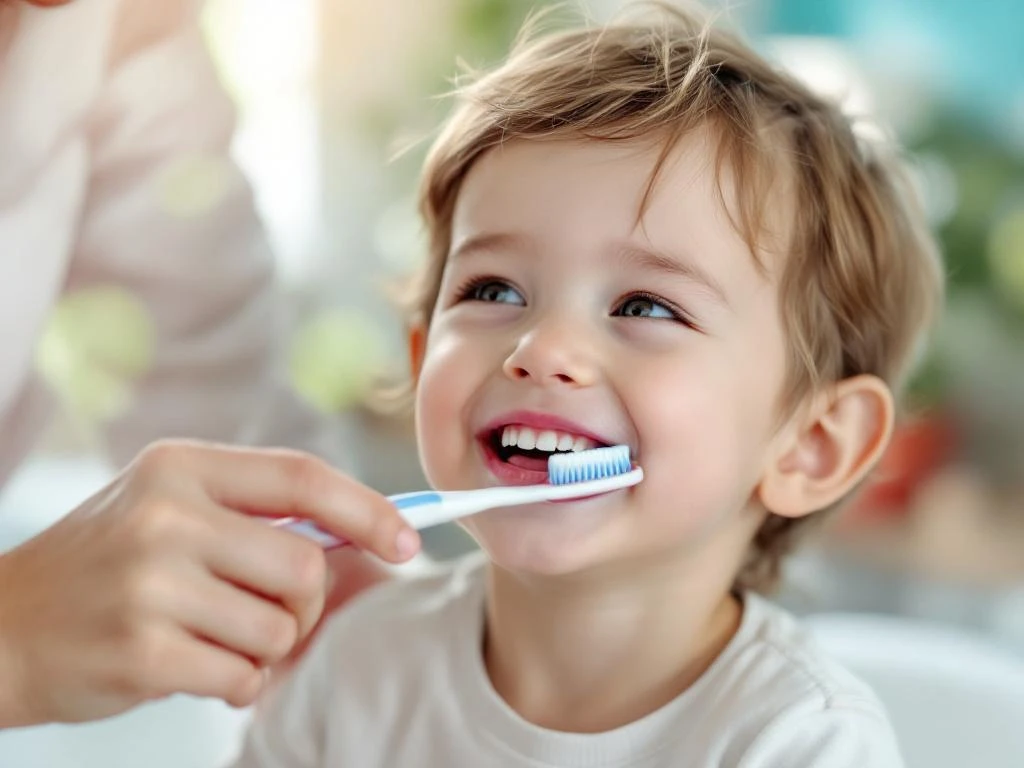
Bad oral health is consistently being linked to more and more diseases from heart health to diabetes. Oral health improvement delivers profound benefits that extend far beyond a brighter smile. Better oral hygiene reduces harmful plaque bacteria, strengthens gums, freshens breath, and prevents tooth decay whilst supporting cardiovascular health, memory function, and overall energy levels. These improvements create a foundation for enhanced wellbeing that impacts your entire body’s health systems.

Products like Lumoral Junior are revolutionary in home oral care, because brushing and flossing just is not enough.
What are the immediate health benefits of improving oral hygiene?
Improving oral hygiene immediately reduces plaque bacteria, strengthens gum tissue, eliminates bad breath, and prevents tooth decay. These direct benefits create noticeable changes in mouth comfort, fresh breath confidence, and reduced bleeding during brushing or flossing within days of implementing better oral care routines.
The most visible improvement comes from plaque reduction. Even after traditional brushing, teeth may appear clean to the naked eye, yet near-infrared light reveals significant plaque remaining on tooth surfaces and along the gum line. Advanced oral care approaches target this microscopic bacterial biofilm with precision, slowing new plaque formation and creating healthier oral conditions.
Gum health improvements follow quickly. Red, swollen, or bleeding gums often indicate gingivitis caused by bacterial buildup. When plaque irritation is removed through consistent oral care, gum inflammation subsides, bleeding stops, and tissue colour returns to healthy pink. This transformation typically occurs within one to two weeks of improved hygiene practices.
Fresh breath results from eliminating the bacterial sources of odour compounds. The white coating on your tongue and bacterial film covering teeth produce sulphur compounds that cause halitosis. Regular cleaning of both tooth surfaces and tongue removes these odour-producing bacteria, creating lasting breath freshness.
How does poor oral health actually affect your overall wellbeing?
Poor oral health creates bacterial imbalances that contribute to cardiovascular disease, memory disorders, diabetes complications, and digestive issues. Harmful oral bacteria enter the bloodstream through inflamed gums, causing systemic inflammation that affects heart health, brain function, blood sugar control, and gut microbiome balance throughout your body.
Brain health suffers significantly from oral bacterial infections. A healthy mouth reduces stroke risk and memory disorders like Alzheimer’s disease. Oral bacteria can enter the brain, contributing to inflammation and blood vessel constriction. Untreated gingivitis doubles stroke risk in people under 50, whilst bacterial inflammation may accelerate cognitive decline.
Cardiovascular complications develop when bacteria from inflamed gums enter the bloodstream. Poor oral health, particularly gingivitis and periodontitis, links directly to heart disease, including bacterial infections of heart valves, heart attacks, and heart failure. These bacteria cause inflammation of artery walls, creating dangerous cardiovascular conditions.
Diabetes management becomes more difficult with poor oral health. High blood sugar levels increase mouth inflammation whilst periodontal disease affects blood sugar control, creating a harmful cycle. The combined effect appears in the body’s systemic inflammatory markers, making both conditions harder to manage effectively.
Digestive health begins in the mouth, where good oral health supports efficient digestion through healthy teeth and proper saliva production. Bacterial imbalances in the mouth affect gut microbiome health, particularly important for people with inflammatory bowel diseases like IBD or Crohn’s disease.
What role does modern technology play in preventing dental problems?
Modern technology like antibacterial blue light therapy and photodynamic treatments targets harmful bacteria with precision whilst preserving beneficial oral microflora. Advanced dual-light systems combine antibacterial wavelengths with tissue-supporting near-infrared light, enhancing traditional brushing and flossing routines for superior prevention results.
Light-activated antibacterial therapy represents a breakthrough in targeted oral care. The Lumoral Starter Kit uses 405nm blue light for bacterial inactivation combined with 810nm near-infrared light for tissue support. This dual-light approach removes 99.998% of harmful plaque bacteria whilst supporting healthy oral bacterial diversity.
Photodynamic therapy adds selectivity to bacterial treatment. Light-sensitive compounds like indocyanine green, used safely in medicine since the 1950s, bind specifically to plaque bacteria. When activated by precise wavelengths, these compounds create localised antibacterial effects without disrupting beneficial oral microflora like broad-spectrum antiseptics do.
The technology addresses limitations of traditional cleaning methods. Even the best toothbrush removes only 65% of plaque, leaving harmful bacteria in hard-to-reach areas. Advanced light therapy systems treat the entire mouth simultaneously, reaching areas between teeth and along the gum line where conventional tools struggle to clean effectively.
Home-use medical devices bring professional-level care to daily routines. CE-marked systems like those developed by Finnish health-tech companies combine medical technology quality with user-friendly design, making advanced oral care accessible for families whilst maintaining safety standards.
Why is prevention better than treatment when it comes to oral health?
Preventive oral care reduces long-term health risks, treatment costs, and complications whilst supporting overall quality of life. Proactive approaches stop problems before they develop, avoiding invasive procedures, preserving natural teeth, and maintaining the oral-systemic health connections that support cardiovascular, cognitive, and metabolic wellbeing throughout life.
Early intervention prevents serious complications. Gingivitis can be reversed with professional treatment and good home care, but only if treated before bone loss occurs. Once periodontitis develops, treatment becomes more complex, expensive, and may not fully restore lost tissue and bone structure.
Cost benefits favour prevention significantly. Regular preventive care, including advanced technologies like light-activated therapy, costs far less than treating advanced periodontal disease, root canals, extractions, and implant procedures. Prevention also reduces the indirect costs of systemic health problems linked to poor oral health.
Quality of life improves dramatically with preventive approaches. Maintaining natural teeth, fresh breath, and healthy gums supports confident social interactions, proper nutrition, and comfortable daily living. Prevention avoids the pain, inconvenience, and recovery time associated with dental procedures.
Systemic health protection makes prevention essential for overall wellbeing. Since oral health connects directly to cardiovascular health, diabetes management, and cognitive function, preventing oral disease protects your entire body’s health systems. This comprehensive approach supports energy levels, sleep quality, and long-term disease prevention.
The scientific evidence supporting preventive oral care continues growing, with clinical studies demonstrating how advanced technologies enhance traditional hygiene routines. Modern prevention strategies combine time-tested methods with innovative approaches, creating comprehensive solutions for optimal oral health improvement.

