
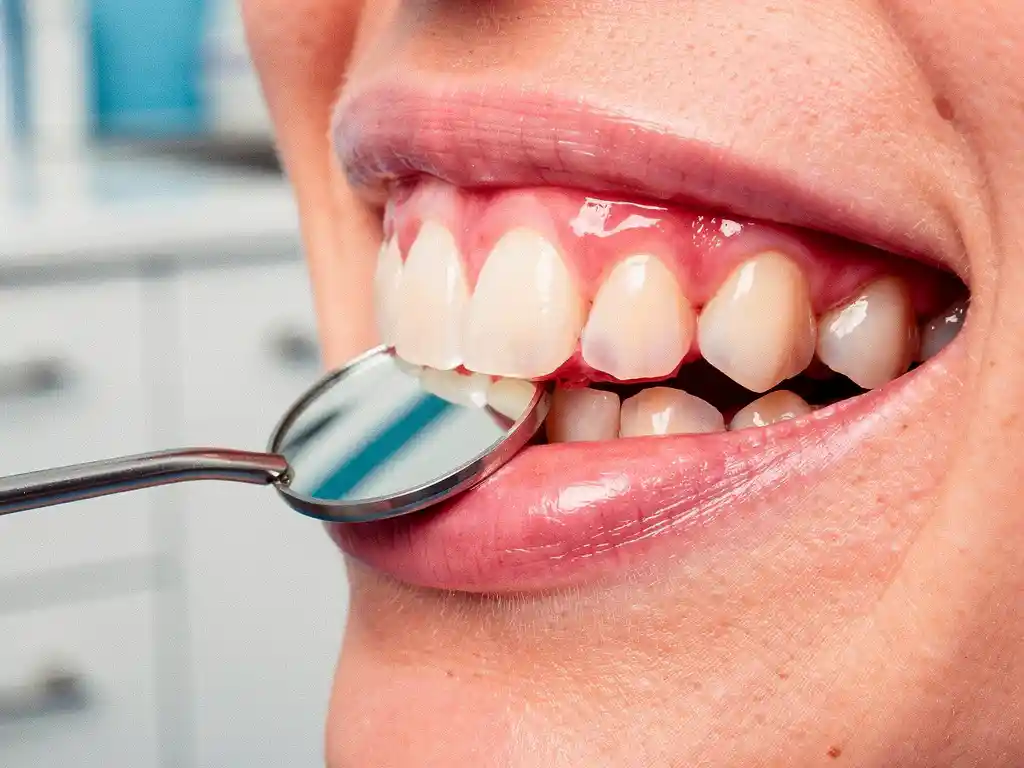
Recognizing the early warning signs of gum disease can mean the difference between simple preventive care and complex dental treatment down the road. Gum disease, which affects millions of people worldwide, often begins silently with subtle symptoms that are easy to dismiss as temporary irritation. However, understanding what to look for and taking prompt action can help you maintain optimal oral health and prevent progression from mild gingivitis to more serious periodontal disease.
The key to successful gum disease prevention lies in knowing exactly which signs to monitor and when to seek professional help. This guide will walk you through the specific warning signals your mouth sends when gum disease is developing, helping you become an active participant in protecting your oral health.
What Is Gum Disease and Why Early Detection Matters
Gum disease begins when dental plaque, a structured biofilm of bacteria, accumulates along your gumline and between your teeth. This bacterial community adheres to tooth surfaces and resists removal through brushing alone. When plaque remains undisturbed, it triggers an inflammatory response in your gum tissue, leading to gingivitis, the earliest and most treatable form of gum disease.
Early detection matters because gingivitis can be completely reversed with professional treatment and improved home care, but only if caught before bone loss occurs. Once gum disease progresses to periodontitis, the damage becomes permanent. The bacteria in untreated plaque can harden into tartar, which requires professional dental cleaning to remove. Left unchecked, deep pockets form between your gums and teeth, potentially leading to tooth loss and systemic health complications.
Research has increasingly identified connections between oral inflammation and systemic conditions such as cardiovascular disease and diabetes. The bacteria that cause periodontal disease can enter your bloodstream through inflamed gum tissue, potentially affecting other parts of your body. This makes early intervention important not only for your oral health, but for your overall wellness as well.
Physical Signs Your Gums Are Sending Warning Signals
Start your daily oral health assessment by examining your gums in good lighting, preferably using a bathroom mirror with adequate illumination. Healthy gums should appear pink and firm and fit snugly around your teeth without swelling or puffiness.
Color and Texture Changes
Look for gums that have changed from their normal pink color to red, dark red, or purplish hues. These color changes indicate inflammation and increased blood flow to the affected tissue. Additionally, check for gums that appear shiny, swollen, or puffy rather than firm and stippled. Healthy gum tissue has a slightly textured surface, while inflamed gums often become smooth and glossy.
Bleeding During Oral Care
Pay close attention to any bleeding that occurs during brushing or flossing, as this is often the first noticeable sign of gingivitis. Healthy gums should not bleed with gentle brushing or proper flossing technique. Bleeding typically appears first in the spaces between teeth, which many people fail to clean adequately. Even occasional bleeding should not be ignored, as it indicates that bacteria have triggered an inflammatory response in your gum tissue.
Gum Recession and Pocket Formation
Monitor whether your gums are pulling away from your teeth, making your teeth appear longer than usual. This recession can create visible gaps or pockets between your gums and teeth where food particles and bacteria can accumulate. You might notice that areas between your teeth that were previously filled with gum tissue now appear as dark triangular spaces.
How to Recognize Symptoms You Feel and Smell
Beyond visual inspection, gum disease can produce sensations and odors that serve as important warning signals. Note any changes you notice in how your mouth feels or smells, as these symptoms often appear before visible signs become obvious.
Oral Discomfort and Sensitivity
Notice any tenderness, soreness, or pain in your gums, especially when eating, brushing, or touching the affected areas. Some people experience a persistent aching sensation in their gums or increased sensitivity when consuming hot or cold foods and beverages. Your gums might feel tender to the touch or uncomfortable when pressure is applied during normal activities like chewing.
Persistent Bad Breath
Monitor for chronic bad breath that doesn’t improve with regular brushing, flossing, or mouthwash use. Gum disease can cause a buildup of foul-smelling sulfur compounds in the mouth, as inflamed gum pockets create deeper spaces where pathogenic bacteria can accumulate. This type of halitosis typically has a distinct, unpleasant odor that differs from temporary bad breath caused by food or morning breath.
Taste Changes
Pay attention to any persistent metallic or unpleasant taste in your mouth, even when you haven’t eaten anything. Some people notice a constant bad taste that seems to come from their gums rather than their tongue or throat. This taste often accompanies the bacterial buildup associated with gum inflammation.
When to Take Action Based on Your Symptoms
Take immediate action if you notice bleeding gums during your daily oral care routine, even if it occurs only occasionally. Schedule a dental appointment within two weeks of first noticing bleeding, as early intervention can prevent progression to more serious gum disease. Don’t wait for bleeding to become severe or constant before seeking professional help.
Seek prompt dental care if you observe any combination of warning signs, such as red or swollen gums accompanied by persistent bad breath or gum tenderness. Multiple symptoms appearing together indicate that bacterial plaque has established itself and triggered a significant inflammatory response in your gum tissue.
Preparing for Your Dental Appointment
Before your appointment, note when you first noticed symptoms and whether they’ve worsened or improved over time. Make a list of any medications you’re taking, including vitamins and supplements, as some can affect gum health. Prepare questions about your oral care routine, and ask your dentist to recommend specific tools or techniques for your situation.
Enhancing Your Daily Oral Care
While waiting for your dental appointment, maintain consistent oral hygiene by brushing twice daily with a soft-bristled toothbrush and flossing once per day. Focus extra attention on areas where you’ve noticed bleeding or inflammation, but be gentle to avoid further irritation. Consider incorporating advanced plaque-control methods that target bacterial biofilm at a microscopic level, such as light-activated photodynamic therapy systems that can complement mechanical cleaning.
Remember that early-stage gum disease responds well to professional treatment combined with improved home care. The sooner you address warning signs, the better your chances of reversing inflammation and preventing long-term complications that could affect both your oral health and overall wellness.

