
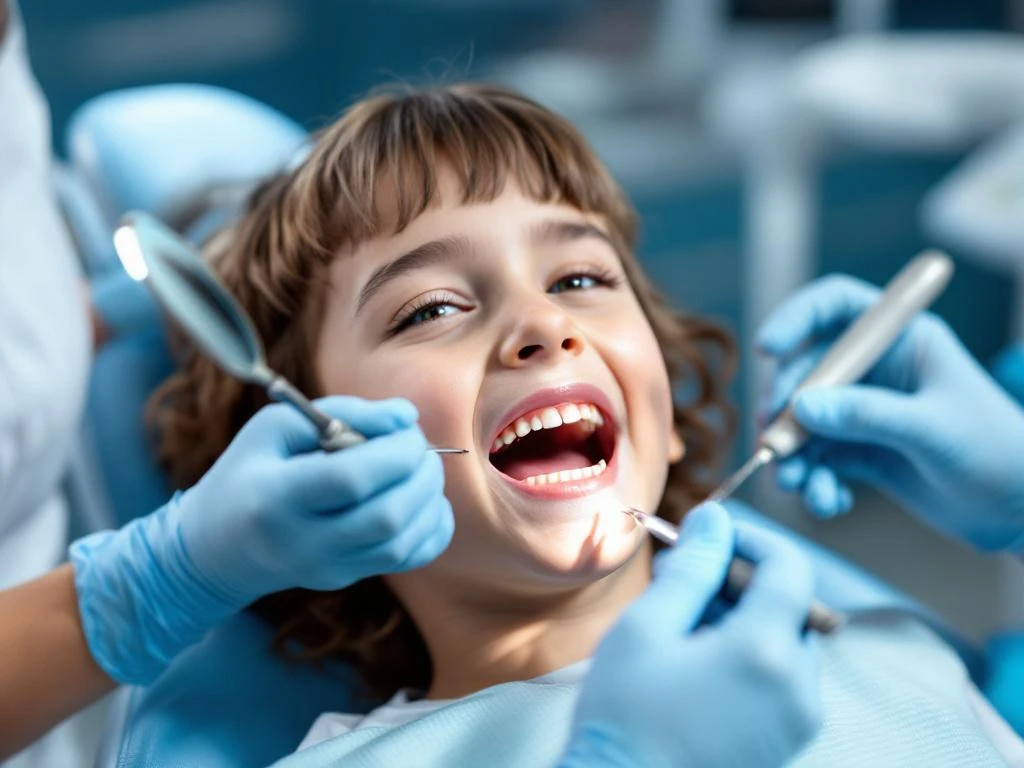
Children get cavities more easily than adults due to several biological and behavioural factors. Their tooth enamel is thinner and less mineralised, making teeth more vulnerable to acid attacks from bacteria. Poor brushing techniques, frequent snacking on sugary foods, and developing oral habits create perfect conditions for cavity formation. Understanding these factors helps parents learn how to prevent cavities in kids naturally through better oral care routines and modern preventive technologies.

The Lumoral Junior system represents a breakthrough in pediatric oral care, using dual-light technology specifically adapted for children.
Why are children’s teeth more vulnerable to cavities than adults?
Children’s teeth have significantly thinner enamel compared to adult teeth, making them more susceptible to acid damage from plaque bacteria. Primary teeth (baby teeth) have a thinner protective layer and larger pulp chambers, which means cavities can progress more rapidly and reach the nerve centre faster than in permanent teeth.
The composition of children’s saliva also differs from adults. Young children produce less saliva and have different mineral concentrations, reducing the mouth’s natural ability to neutralise acids and remineralise tooth surfaces. This biological difference means that the same amount of sugar exposure causes more damage in children’s mouths.
Additionally, children’s oral anatomy creates more hiding spots for bacteria. The grooves and pits in newly erupted molars are deeper and harder to clean effectively. As research shows, up to 20% of children have particularly virulent strains of Streptococcus mutans in their mouths, which have an enhanced ability to cause severe dental problems compared to typical oral bacteria.
What foods and drinks cause the most cavities in kids?
Sticky, sugary foods pose the greatest cavity risk because they cling to teeth and provide prolonged feeding opportunities for harmful bacteria. Sweets like gummies, fruit snacks, and caramels are particularly problematic as they remain on tooth surfaces long after consumption, continuously feeding plaque bacteria that produce enamel-damaging acids.
Hidden sugars in seemingly healthy foods catch many parents off guard. Dried fruits, flavoured yoghurts, breakfast cereals, and fruit juices often contain more sugar than obvious treats. Even healthy snacks like raisins can be problematic due to their sticky texture and concentrated natural sugars.
Acidic drinks compound the problem by directly softening tooth enamel before bacteria even begin their work. Soft drinks, sports drinks, and fruit juices create an acidic environment in the mouth that weakens enamel, making teeth more vulnerable to bacterial acid attacks. The timing matters too – frequent sipping throughout the day maintains constant acid exposure, preventing the mouth’s natural healing processes from occurring.
How does poor brushing technique lead to cavities in children?
Most children lack the manual dexterity needed for effective plaque removal until around age 8-10. They typically brush too quickly (often less than one minute instead of the recommended two minutes), miss crucial areas like back molars and the gumline, and use improper brushing motions that fail to disrupt bacterial biofilm formation.
Common brushing mistakes include focusing only on front teeth that are visible in mirrors, using sideways scrubbing motions instead of gentle circular movements, and neglecting interdental spaces where food particles and bacteria accumulate. Plaque bacteria can harden into tartar within 24-72 hours if not properly removed, making professional cleaning necessary.
The challenge for parents lies in supervising and teaching proper technique whilst encouraging independence. Many children rush through brushing to return to activities, and parents often struggle to balance guidance with fostering self-sufficiency. This supervision gap frequently leads to inadequate cleaning during critical developmental years when cavity prevention habits are formed.
What role does family genetics play in children’s cavity risk?
Genetics significantly influence cavity susceptibility through inherited tooth structure, enamel quality, and saliva composition. Some children inherit softer enamel or deeper tooth grooves that trap bacteria more easily, whilst others may have naturally stronger, more cavity-resistant teeth due to their genetic makeup.
Saliva production and quality are also hereditary factors affecting cavity risk. Children who inherit reduced saliva flow or different mineral concentrations have less natural protection against acid attacks. The composition of oral bacteria is partially inherited too, with some families naturally harbouring more aggressive cavity-causing strains.
Family history provides valuable insights for prevention strategies. Children with parents who experienced early cavities or extensive dental work often benefit from more aggressive preventive measures, including professional fluoride treatments, dental sealants, and enhanced home care routines. Understanding genetic predisposition helps parents implement targeted prevention before problems develop.
How can modern technology help prevent cavities in kids?
Advanced light-based therapies now offer families powerful tools for cavity prevention at home. Photodynamic therapy systems target harmful bacteria with precision whilst preserving beneficial oral microflora, addressing the root cause of tooth decay more effectively than traditional antiseptic approaches.
The Lumoral Junior system represents a breakthrough in pediatric oral care, using dual-light technology specifically adapted for children. This CE-marked device combines 405nm blue light for direct bacterial inactivation with 810nm near-infrared light for tissue support, creating a comprehensive preventive treatment that works in just 10 minutes.
Unlike broad-spectrum antimicrobial treatments that disrupt the entire oral ecosystem, Lumoral Junior’s targeted approach selectively eliminates cavity-causing bacteria whilst supporting gum health. The simple protocol – rinse, activate with light, then brush – easily integrates into family routines. For children at higher cavity risk due to genetics, diet, or brushing challenges, this technology provides an additional layer of protection that helps maintain optimal oral health during crucial developmental years.
Modern preventive technology like Lumoral Junior empowers parents to take proactive steps in cavity prevention, complementing good oral hygiene habits with scientifically proven bacterial control. This approach helps establish the foundation for lifelong oral health whilst teaching children that prevention is always better than treatment.

