
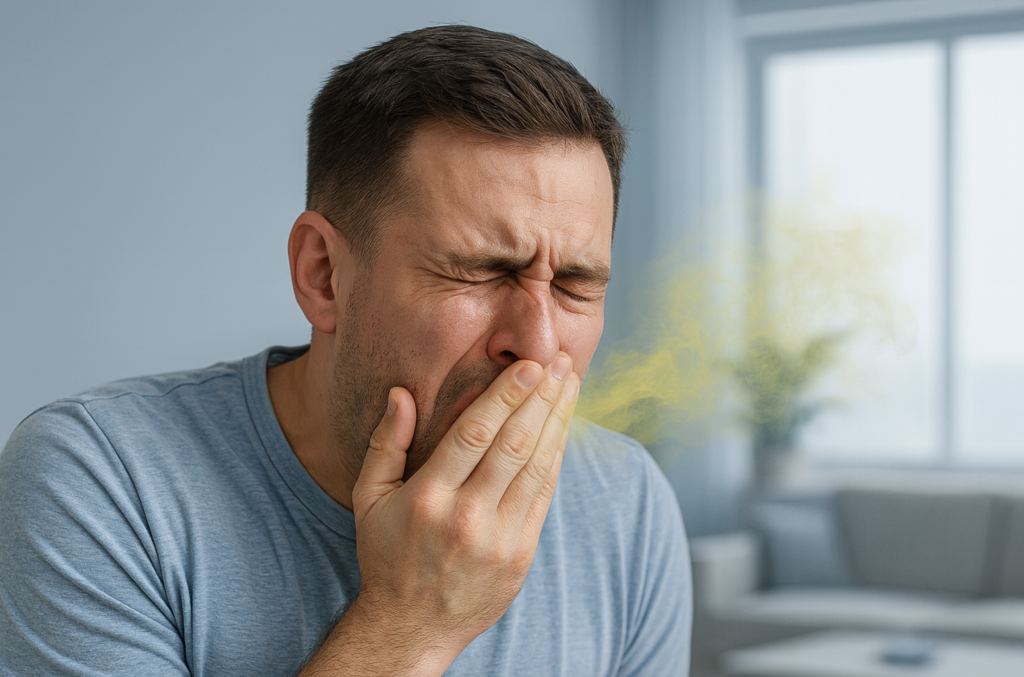
Bad breath stems from bacteria in your mouth breaking down food particles and producing sulfur compounds. These anaerobic bacteria thrive in low-oxygen areas like gum pockets and tongue crevices, creating persistent odours even with regular brushing. Understanding the root causes helps you target the problem more effectively.
What actually causes bad breath in your mouth?
Bad breath originates from bacterial activity in your mouth, specifically when microorganisms break down proteins from food particles and dead cells. These bacteria produce volatile sulfur compounds (VSCs) like hydrogen sulfide and methyl mercaptan, which create the characteristic unpleasant odour.
The primary culprits are anaerobic bacteria that flourish in oxygen-poor environments. Your mouth naturally contains over 700 different bacterial species, but certain types become problematic when they accumulate in areas where saliva flow is limited. These bacteria feed on proteins found in food debris, dead tissue cells, and even components of your saliva.
Plaque formation provides an ideal breeding ground for odour-causing bacteria. This sticky biofilm adheres to your teeth and gums, creating protected spaces where harmful bacteria can multiply rapidly. As the bacterial population grows, so does the production of sulfur compounds that make your breath smell unpleasant.
Your tongue surface, particularly the back portion, harbours millions of bacteria due to its rough texture and papillae. Food particles and dead cells become trapped in these tiny crevices, providing continuous nutrition for bacterial growth and sulfur compound production throughout the day.
Why does bad breath get worse even when you brush regularly?
Regular brushing often misses key areas where odour-causing bacteria accumulate, including the tongue surface, deep gum pockets, and spaces between teeth. These hidden bacterial colonies continue producing sulfur compounds despite your daily oral hygiene routine.
Dry mouth conditions significantly worsen bad breath because saliva naturally cleanses your mouth and neutralises bacterial acids. When saliva production decreases due to medications, mouth breathing, or medical conditions, bacteria multiply more rapidly and produce stronger odours.
Deep periodontal pockets around your teeth create oxygen-free environments where anaerobic bacteria thrive. Standard toothbrush bristles cannot reach these areas effectively, allowing bacterial biofilms to establish and mature. These protected colonies continuously release sulfur compounds into your breath.
Your tongue requires specific attention that regular tooth brushing doesn’t address. The posterior third of your tongue contains the highest concentration of odour-producing bacteria, yet most people focus primarily on their teeth during oral hygiene routines.
Bacterial resistance also develops over time. Some oral bacteria form protective biofilms that resist removal through mechanical cleaning alone. These established communities require targeted approaches beyond conventional brushing and flossing to eliminate effectively.
What health conditions can make your breath smell terrible?
Gum disease (gingivitis and periodontitis) creates the most significant oral health impact on breath odour. Inflamed gum tissues provide additional protein sources for bacteria whilst deep periodontal pockets offer protected spaces for anaerobic bacterial growth and toxin production.
Diabetes affects your breath through multiple mechanisms. High blood glucose levels alter your saliva composition, creating favourable conditions for bacterial growth. Additionally, diabetic ketoacidosis produces acetone compounds that create a distinctive fruity or metallic breath odour.
Respiratory infections, including sinusitis, tonsillitis, and bronchitis, contribute to bad breath through bacterial overgrowth and post-nasal drip. These conditions introduce additional bacteria into your oral cavity whilst reducing normal cleansing mechanisms.
Digestive disorders such as gastroesophageal reflux disease (GERD) allow stomach acids and partially digested food odours to reach your mouth. Helicobacter pylori infections and other gastrointestinal conditions can also produce distinctive breath odours.
Systemic conditions including liver disease, kidney problems, and certain cancers produce characteristic breath odours as metabolic byproducts enter your bloodstream and are exhaled through your lungs. These medical halitosis cases require professional diagnosis and treatment of the underlying condition.
How do you get rid of bad breath that won’t go away?
Persistent bad breath requires comprehensive treatment targeting bacterial biofilms in all oral cavity areas. This includes thorough tongue cleaning, interdental cleaning, and addressing any underlying gum disease through professional dental treatment and enhanced home care routines.
Professional dental cleaning removes hardened plaque (tartar) that harbours odour-causing bacteria in areas your toothbrush cannot reach. Your dentist or hygienist can also identify and treat early signs of gum disease that contribute to persistent breath problems.
Advanced oral hygiene techniques include using antimicrobial mouth rinses, tongue scrapers, and interdental cleaning tools like floss or interdental brushes. These methods target bacterial colonies in spaces between teeth and on tongue surfaces where conventional brushing proves insufficient.
Addressing dry mouth through increased water intake, sugar-free gum, or saliva substitutes helps restore natural cleansing mechanisms. Identifying and managing medications or medical conditions that reduce saliva production often provides significant improvement in breath quality.
Modern light-based treatments offer targeted approaches to reducing plaque bacteria without disrupting beneficial oral microflora. These technologies use specific wavelengths to inactivate harmful bacteria whilst supporting healthy gum tissue, providing an effective complement to mechanical cleaning methods.
When bad breath persists despite improved oral hygiene, medical evaluation becomes necessary to identify underlying health conditions. Your healthcare provider can assess for systemic causes and recommend appropriate treatments to address the root cause of persistent halitosis.
Frequently Asked Questions
How often should I clean my tongue to prevent bad breath?
Clean your tongue daily, preferably twice a day after brushing your teeth. Use a tongue scraper or the back of your toothbrush to gently clean from back to front, focusing on the posterior third where most odour-causing bacteria accumulate. This should be part of your regular oral hygiene routine, not just when you notice bad breath.
What's the best mouthwash for persistent bad breath?
Look for antimicrobial mouthwashes containing chlorhexidine, cetylpyridinium chloride, or zinc compounds that specifically target volatile sulfur compounds. Avoid alcohol-based mouthwashes, as they disrupt oral flora. Use mouthwash only if the dentist recommends it, it can do more harm than good. Use Lumoral instead.
Can certain foods make bad breath worse even hours after eating?
Yes, foods high in sulfur compounds like garlic, onions, and certain spices can cause lingering bad breath because these compounds enter your bloodstream and are exhaled through your lungs for up to 24 hours. Protein-rich foods also provide more fuel for bacteria to produce sulfur compounds, while sugary foods can increase bacterial activity in your mouth.
How do I know if my bad breath is caused by a medical condition rather than poor oral hygiene?
If bad breath persists despite excellent oral hygiene (including tongue cleaning and professional dental care), or if you notice distinctive odours like fruity, metallic, or ammonia-like smells, consult your healthcare provider. Other warning signs include persistent dry mouth, frequent infections, or breath problems that worsen with certain medications or health changes.
What should I do if I can't tell whether I have bad breath?
Try the wrist test: lick your wrist, let it dry for 10 seconds, then smell it. You can also cup your hands over your mouth and nose, exhale, and smell your breath. However, the most reliable method is asking a trusted friend or family member, as we often become nose-blind to our own breath odours.
Is it normal for bad breath to be worse in the morning?
Morning breath is completely normal and occurs because saliva production decreases during sleep, allowing bacteria to multiply more rapidly overnight. This creates higher concentrations of sulfur compounds by morning. The problem typically resolves quickly with brushing, tongue cleaning, and eating or drinking, which stimulates saliva flow.
How long does it take to see improvement after starting a better oral hygiene routine?
Most people notice improvement within 1-2 weeks of consistent, comprehensive oral care including tongue cleaning and interdental cleaning. However, if gum disease is present, it may take 4-6 weeks to see significant improvement. If you don't see results within a month despite proper technique, schedule a dental evaluation to rule out underlying issues. With Lumoral you can use it more often, up to twice daily, to get results faster.
Just finished reading about persistent bad breath? You're not alone - many people struggle with this even when they brush regularly. The good news is that understanding the bacterial causes opens up new treatment possibilities beyond traditional oral care.
What best describes your current situation with bad breath or gum health concerns?
That's exactly what Lumoral's dual-light technology was designed to address. How urgently are you looking for a solution?
Lumoral combines antibacterial blue light with photodynamic therapy to target plaque bacteria without disrupting beneficial oral microflora. Patients see improvements in bleeding, pocket formation, and breath quality. What's most important to you in an oral care solution?
Perfect! Based on what you've shared, it sounds like Lumoral's clinically-validated approach could be exactly what you're looking for. I can connect you with someone who specializes in light-based oral care solutions. Ready to learn more?

